Haven Vivid
No Result
View All Result
  • Home
  • Artistic Spaces
  • Coastal Living
  • Eco-Friendly Living
  • Family-Friendly Living
  • Farmhouse Living
  • Glamorous Lifestyle
  • Minimalist Lifestyle
  • Urban Living
Haven Vivid
No Result
View All Result
Home Eco-Friendly Living

17 Ways for Eco-Friendly Living in Libraries Using Natural Fibers

by havenvivid
April 13, 2025
in Eco-Friendly Living
Reading Time: 27 mins read
677
Image for: 17 Ways for Eco-Friendly Living in Libraries Using Natural Fibers

Illustration for: 17 Ways for Eco-Friendly Living in Libraries Using Natural Fibers

Share on PinterestShare on FacebookShare on Twitter

This post may contain affiliate links. Please read our policy page.

I’ve discovered countless ways to create eco-friendly libraries using natural fibers. You can start with organic cotton book covers for a soft, durable option, and incorporate bamboo furniture for a modern touch. Don’t forget natural fiber rugs to enhance aesthetics and hemp tote bags for patrons. Adding seagrass baskets for organization and promoting cotton canvas art projects fosters community involvement. There’s so much more to explore that can truly transform library spaces sustainably.

Table of Contents

Toggle
  • Organic Cotton Book Covers
  • Bamboo Furniture and Fixtures
  • Recycled Paper Products
  • Natural Fiber Rugs and Carpets
  • Hemp Tote Bags for Library Use
  • Jute Plant Holders for Indoor Plants
  • Linen Curtains for Natural Light
  • Sustainable Display Boards
  • Cork Flooring Installation
  • Recommended Items
  • Sisal Bulletin Boards
  • Wool Seating Cushions
  • Task Overview for Eco-Friendly Library Decor
  • Biodegradable Bookmarks
  • Eco-Friendly Craft Materials
  • Natural Fiber Upholstery
  • Seagrass Baskets for Organizing
  • Cotton Canvas Art Projects
  • Sustainable Merchandise for Sale
  • Your Friendly Guide to Eco-Friendly Library Living with Natural Fibers

Organic Cotton Book Covers

Organic Cotton Book Covers for 17 Ways for Eco-Friendly Living in Libraries Using Natural Fibers

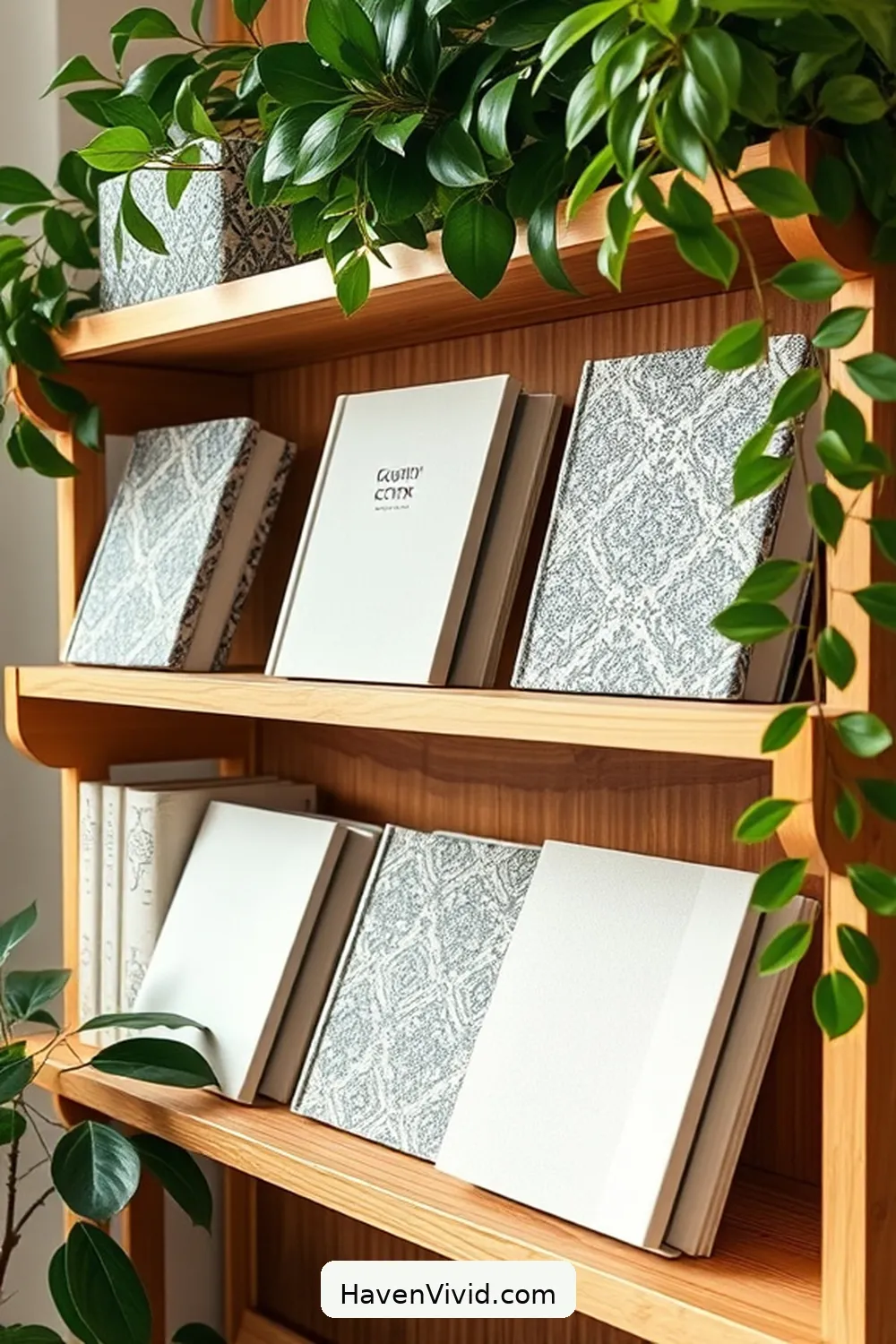
When I think about eco-friendly living in libraries, one of the simplest yet impactful changes we can make is switching to organic cotton book covers.

These covers not only reduce the use of harmful chemicals associated with conventional cotton but also promote sustainability. By opting for organic cotton, we support farmers who practice eco-friendly farming methods, contributing to healthier ecosystems.

Plus, organic cotton offers durability and a soft feel, making it perfect for protecting our beloved books.

Imagine the visual appeal of our shelves adorned with vibrant, eco-conscious covers. Shifting to organic cotton is a practical step that aligns with our mission of nurturing knowledge while respecting the planet.

Let’s embrace this change and lead by example in our communities!

Bamboo Furniture and Fixtures
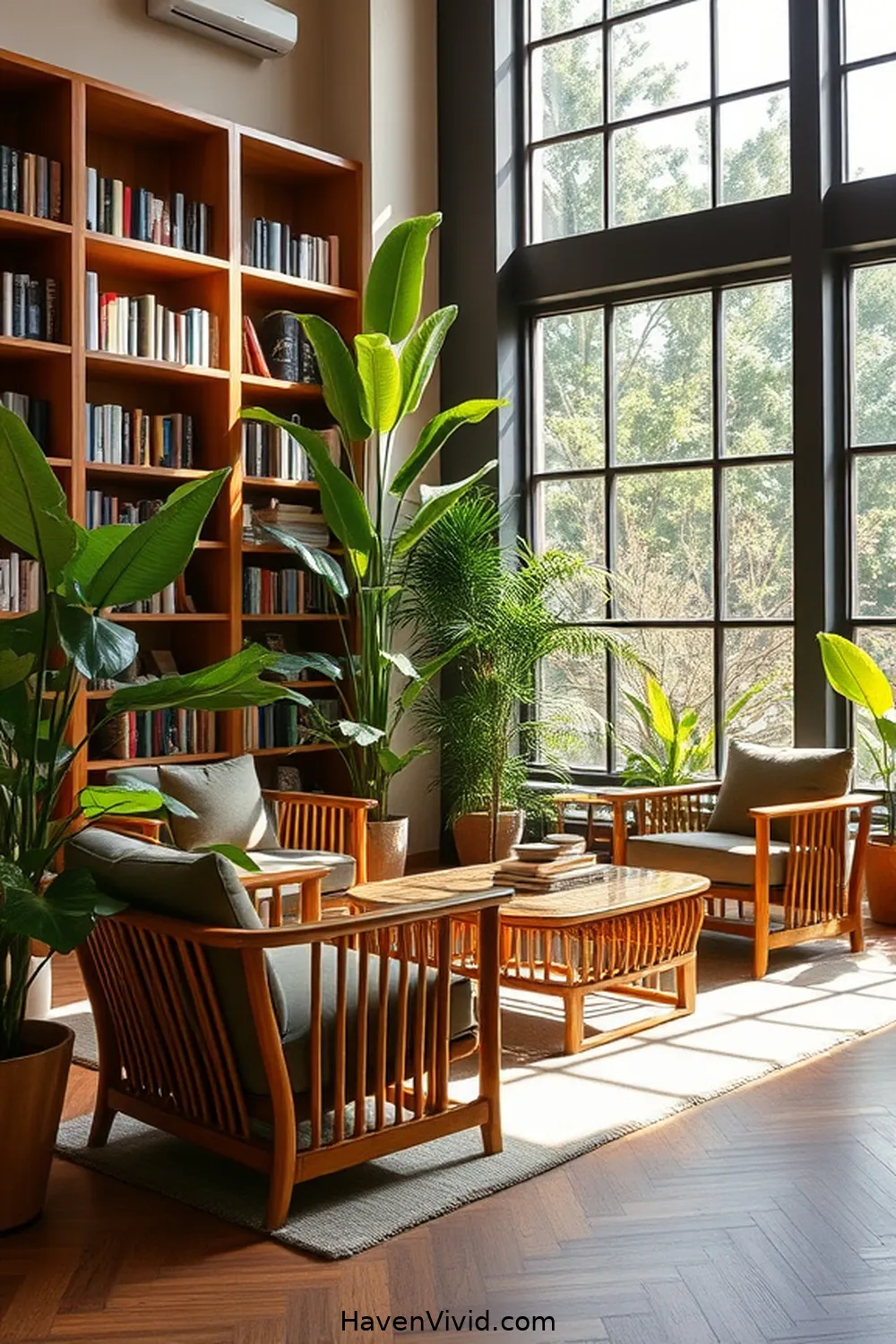
Bamboo Furniture and Fixtures for 17 Ways for Eco-Friendly Living in Libraries Using Natural Fibers

Many people mightn’t realize how versatile and sustainable bamboo furniture and fixtures can be for libraries.

I’ve found that bamboo not only grows rapidly, making it a renewable resource, but it also offers impressive durability. Imagine sleek bamboo desks and shelves that add a modern touch while being lightweight and easy to move.

Bamboo’s natural beauty can create a warm, inviting atmosphere for patrons. Plus, it’s resistant to moisture and pests, which means less maintenance and a longer lifespan.

Bamboo’s natural elegance fosters a welcoming environment while its moisture and pest resistance ensures durability and minimal upkeep.

Incorporating bamboo into your library design isn’t just eco-friendly; it’s practical too. Whether it’s chairs, tables, or shelving, bamboo furniture can enhance the functionality of your space while promoting sustainability.

Why not consider it for your next renovation?

Recycled Paper Products
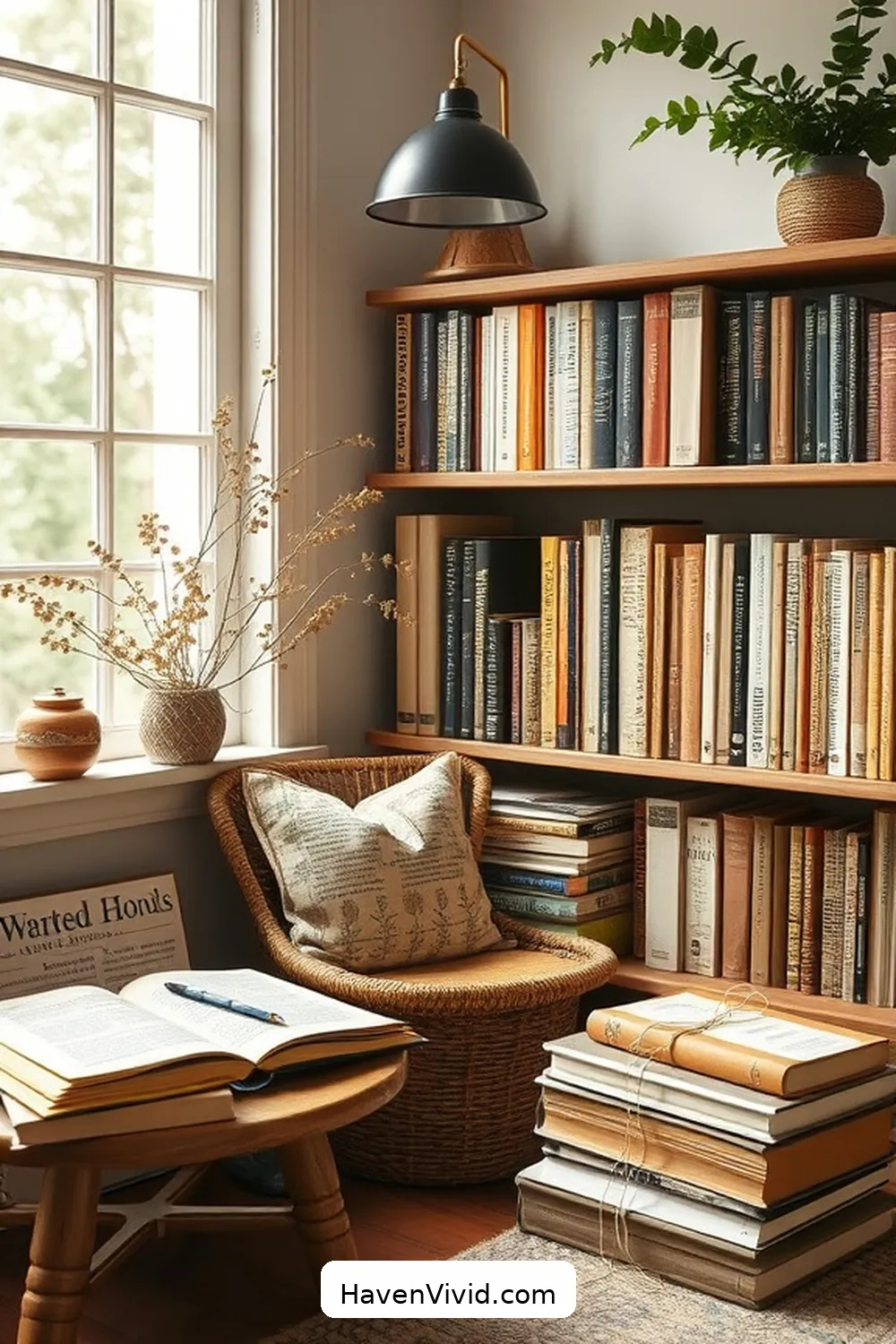
Recycled Paper Products for 17 Ways for Eco-Friendly Living in Libraries Using Natural Fibers

As I explore the benefits of eco-friendly living in libraries, I can’t help but appreciate the impact of using recycled paper products. By incorporating recycled paper for printing, copying, and even crafting materials, libraries can greatly reduce waste and promote sustainability.

I’ve found that patrons respond positively to initiatives that prioritize eco-friendliness, often sparking conversations about environmental responsibility. Plus, using recycled paper doesn’t compromise quality; in fact, many options are just as durable and visually appealing as traditional paper.

I also love how recycled paper products can be creatively showcased, like in displays or educational materials. By making this simple switch, we can inspire a culture of sustainability and encourage others to think twice about their paper choices.

Natural Fiber Rugs and Carpets
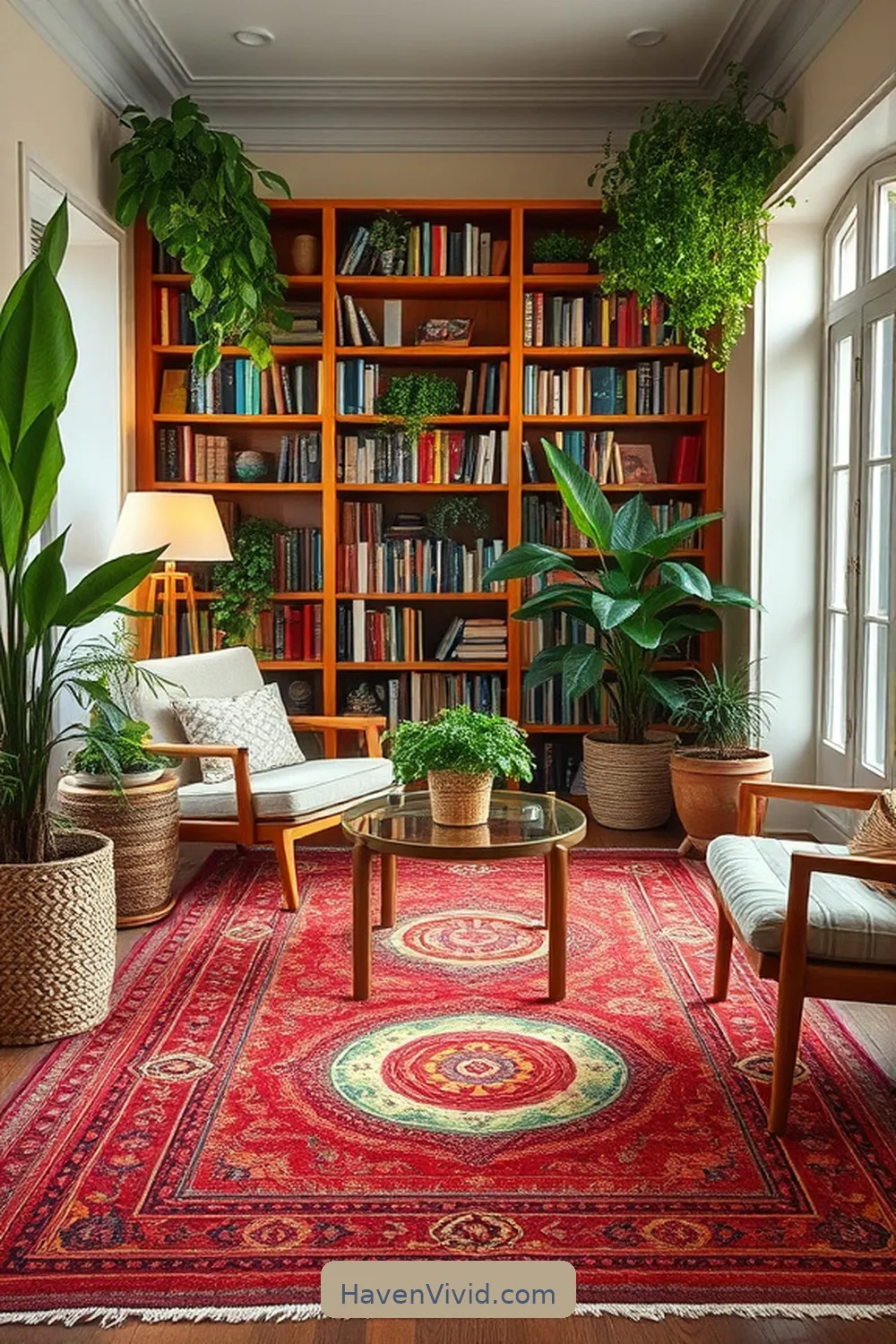
Natural Fiber Rugs and Carpets for 17 Ways for Eco-Friendly Living in Libraries Using Natural Fibers

Switching gears from recycled paper products, natural fiber rugs and carpets offer another fantastic opportunity for libraries to embrace eco-friendly living.

These rugs, made from materials like jute, sisal, and wool, not only enhance a library’s aesthetic but also contribute to a healthier environment. I love how natural fibers are biodegradable and renewable, making them a sustainable choice.

Natural fiber rugs, crafted from jute, sisal, and wool, elevate library aesthetics while promoting sustainability and a healthier environment.

They’re durable, too, able to withstand heavy foot traffic while providing comfort underfoot. Plus, their unique textures and colors can create inviting spaces for reading and studying.

When choosing rugs, look for those with low or no chemical treatments to guarantee a safe indoor air quality.

Hemp Tote Bags for Library Use
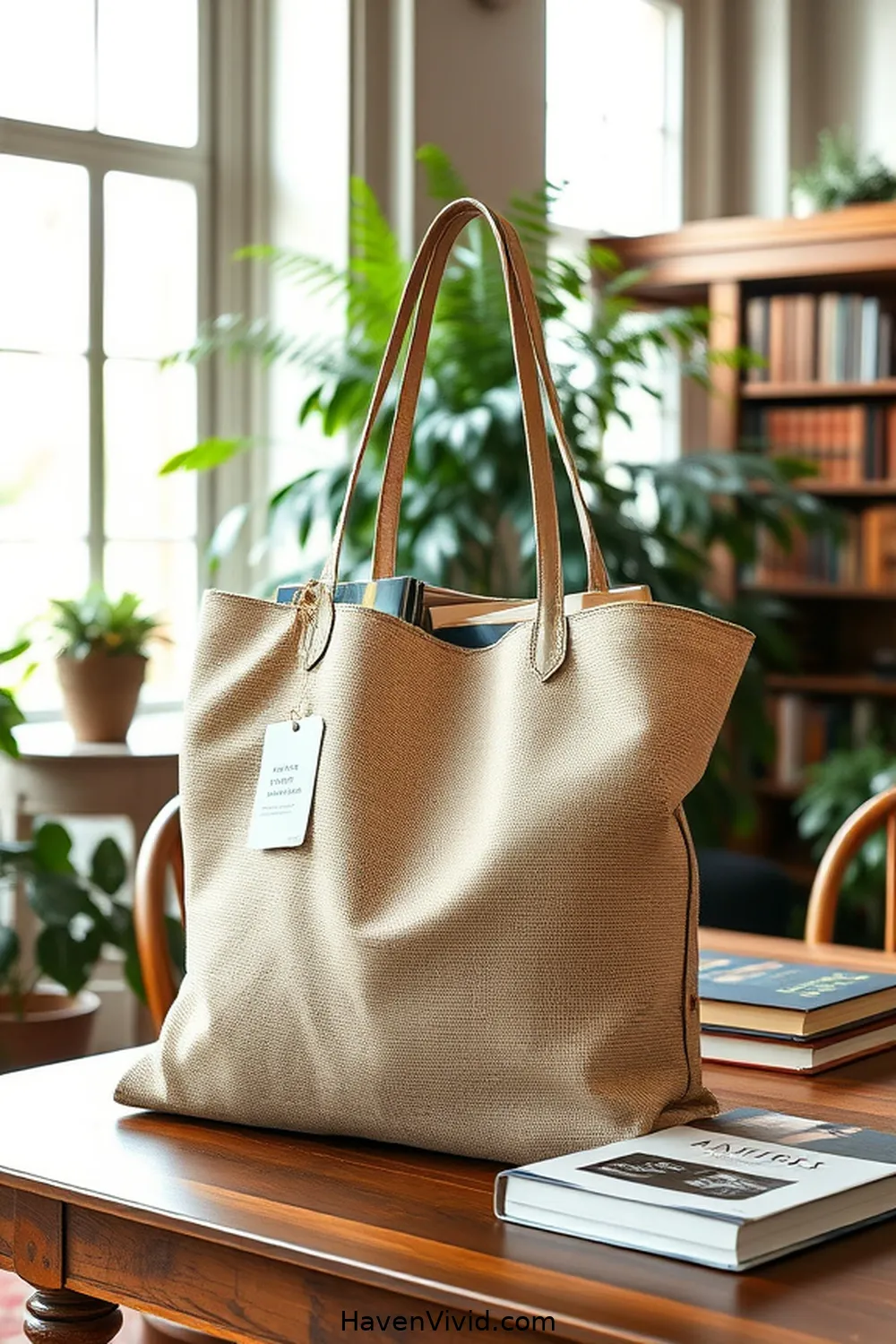
Hemp Tote Bags for Library Use for 17 Ways for Eco-Friendly Living in Libraries Using Natural Fibers

While browsing the shelves or checking out books, I’ve found that using hemp tote bags can make a significant difference in how we approach eco-friendly living in libraries.

These bags aren’t only durable but also biodegradable, making them a fantastic alternative to plastic. I love that hemp grows quickly and requires fewer pesticides, which supports sustainable farming practices.

Plus, with their stylish designs, they add a touch of personality to my library visits. When I carry my hemp tote, I feel good knowing I’m reducing waste and promoting eco-conscious choices.

It’s a simple step that encourages others to think about their own habits. So next time you visit your library, consider grabbing a hemp tote bag for your books!

Jute Plant Holders for Indoor Plants
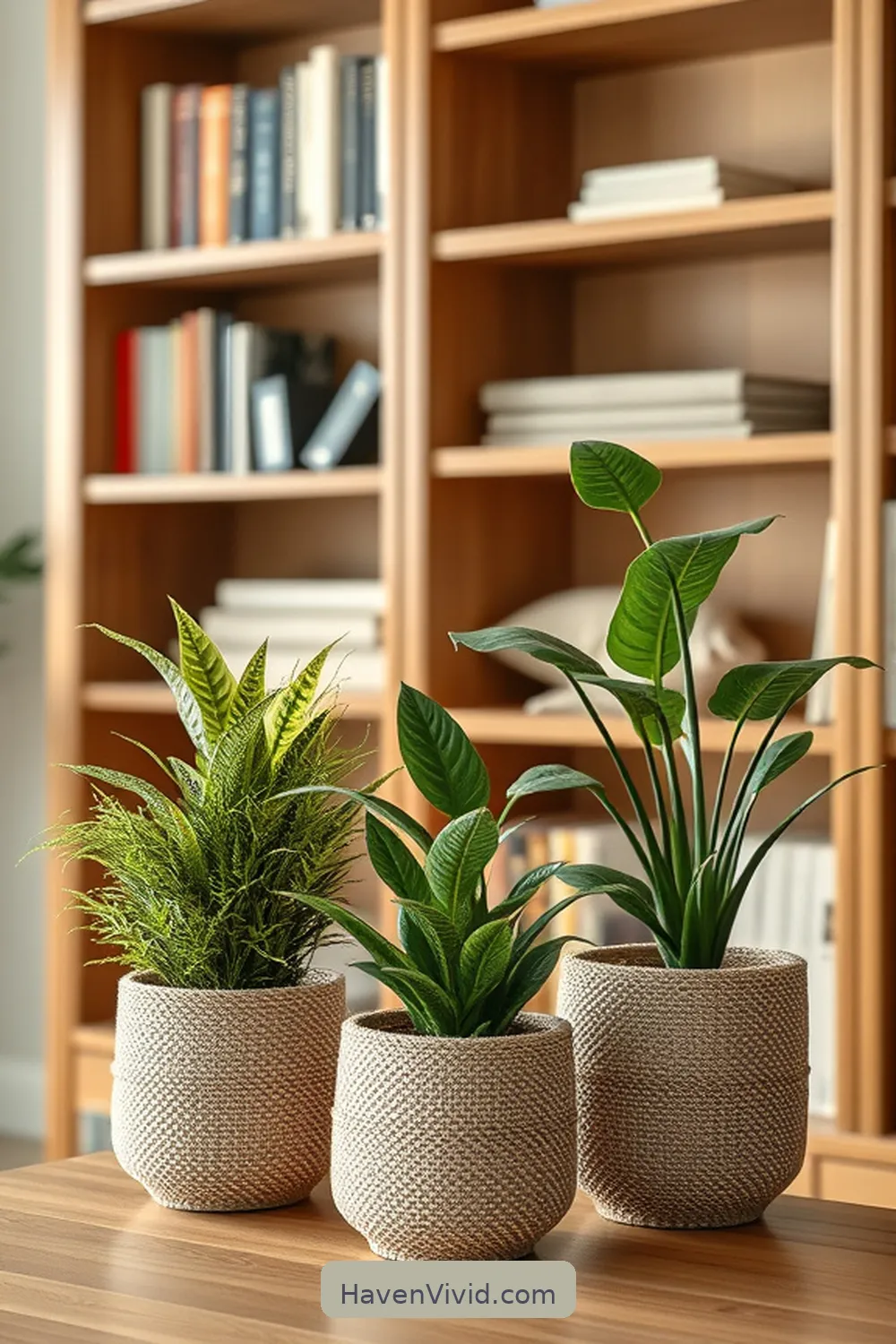
Jute Plant Holders for Indoor Plants for 17 Ways for Eco-Friendly Living in Libraries Using Natural Fibers

Jute plant holders have become my go-to choice for adding a touch of nature to my indoor spaces. They’re not just eco-friendly; they’re also stylish and versatile. I love how they complement various decor styles while keeping my plants healthy. Here’s a quick comparison of jute plant holders:

FeatureBenefitsConsiderations
Eco-FriendlyBiodegradableLimited durability
Aesthetic AppealNatural, rustic lookMay require lining
LightweightEasy to move aroundLess support for heavy plants

Linen Curtains for Natural Light

Linen Curtains for Natural Light for 17 Ways for Eco-Friendly Living in Libraries Using Natural Fibers

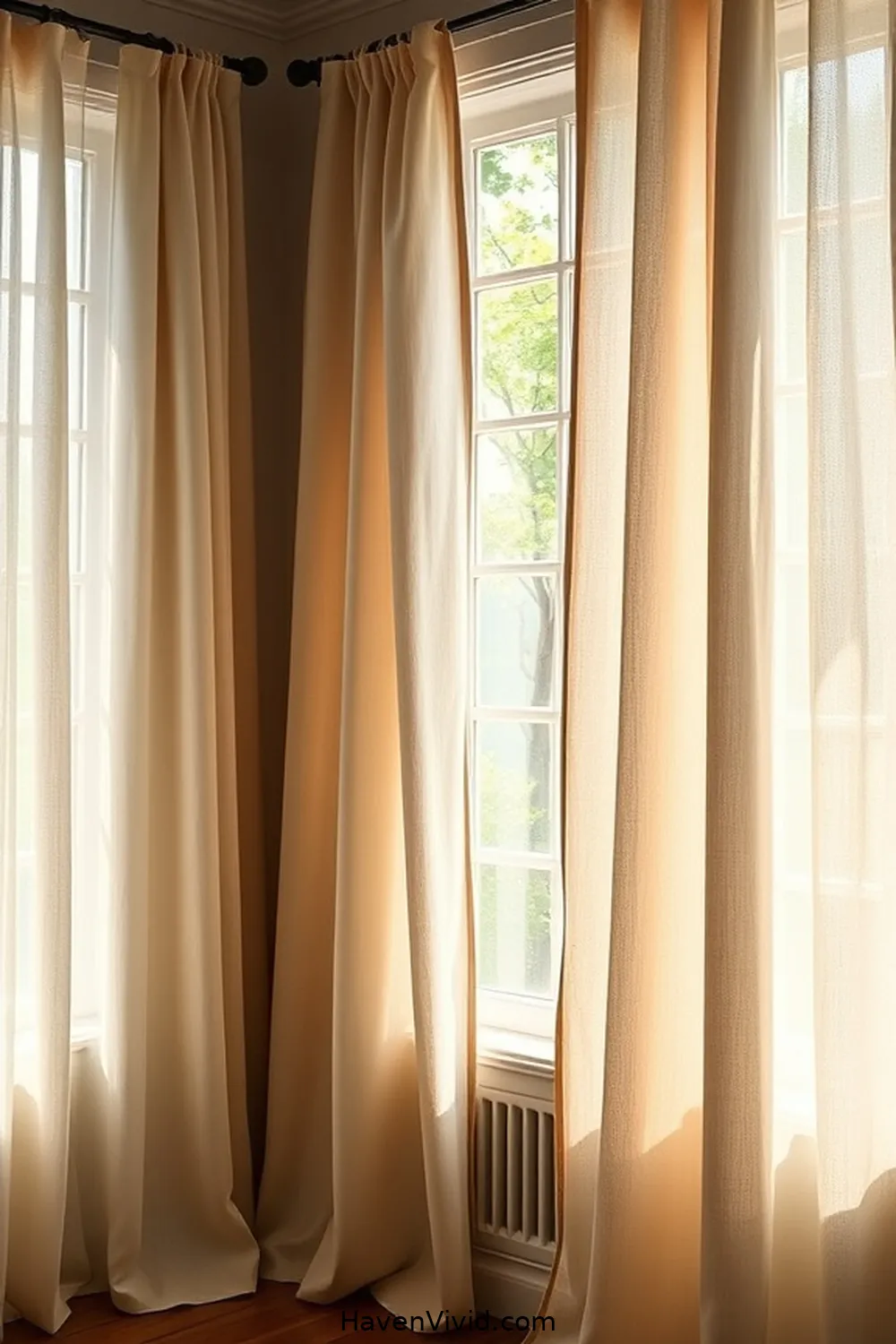
When I decided to enhance the natural light in my home, linen curtains quickly became my top choice. Their lightweight and breathable fabric allows soft, diffused sunlight to filter through, creating a warm and inviting atmosphere.

Unlike heavier materials, linen doesn’t block out light completely, which helps maintain brightness throughout the day. Plus, it’s an eco-friendly option, made from natural fibers that are renewable and biodegradable.

Linen curtains allow soft light to filter through while being eco-friendly and made from renewable fibers.

I love how these curtains add a touch of elegance while being practical. Cleaning them is a breeze; just a gentle wash and they’re good as new.

If you’re looking to brighten your space sustainably, linen curtains might just be the perfect solution. They’ve transformed my home, and I’m sure they’ll do the same for yours!

Sustainable Display Boards
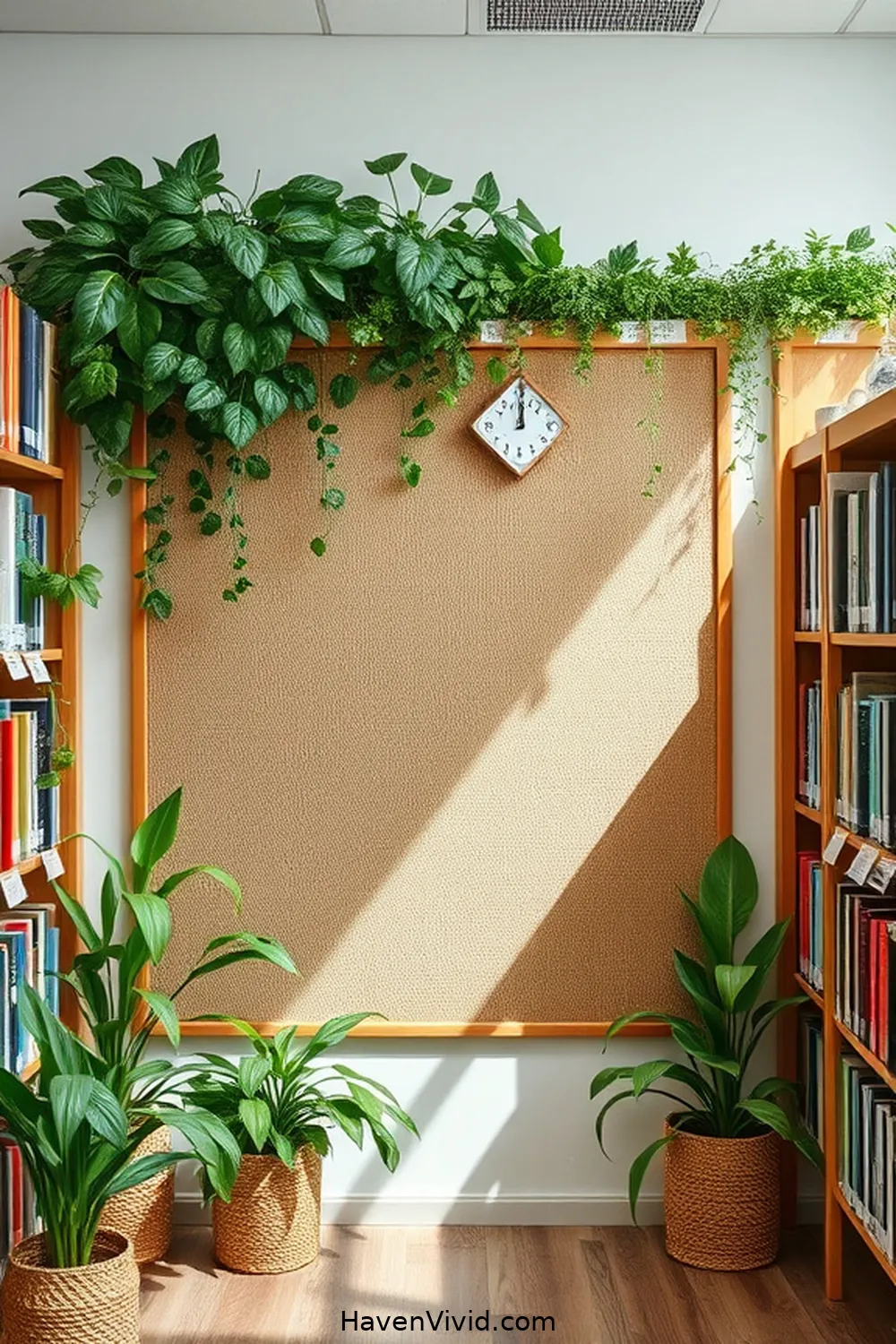
Sustainable Display Boards for 17 Ways for Eco-Friendly Living in Libraries Using Natural Fibers

Creating a visually appealing display board doesn’t have to come at the expense of the environment. I’ve found that using sustainable materials like recycled cardboard or biodegradable paper can make a big difference. These options not only reduce waste but also add a unique touch to your displays.

When it comes to decorating, think about using natural fibers like hemp or jute for borders or embellishments. They’re durable and eco-friendly!

Instead of traditional adhesives, I often opt for plant-based glues, which are less harmful.

Finally, consider reusing and repurposing old display materials whenever possible; it’s a great way to minimize waste and keep things fresh.

Cork Flooring Installation
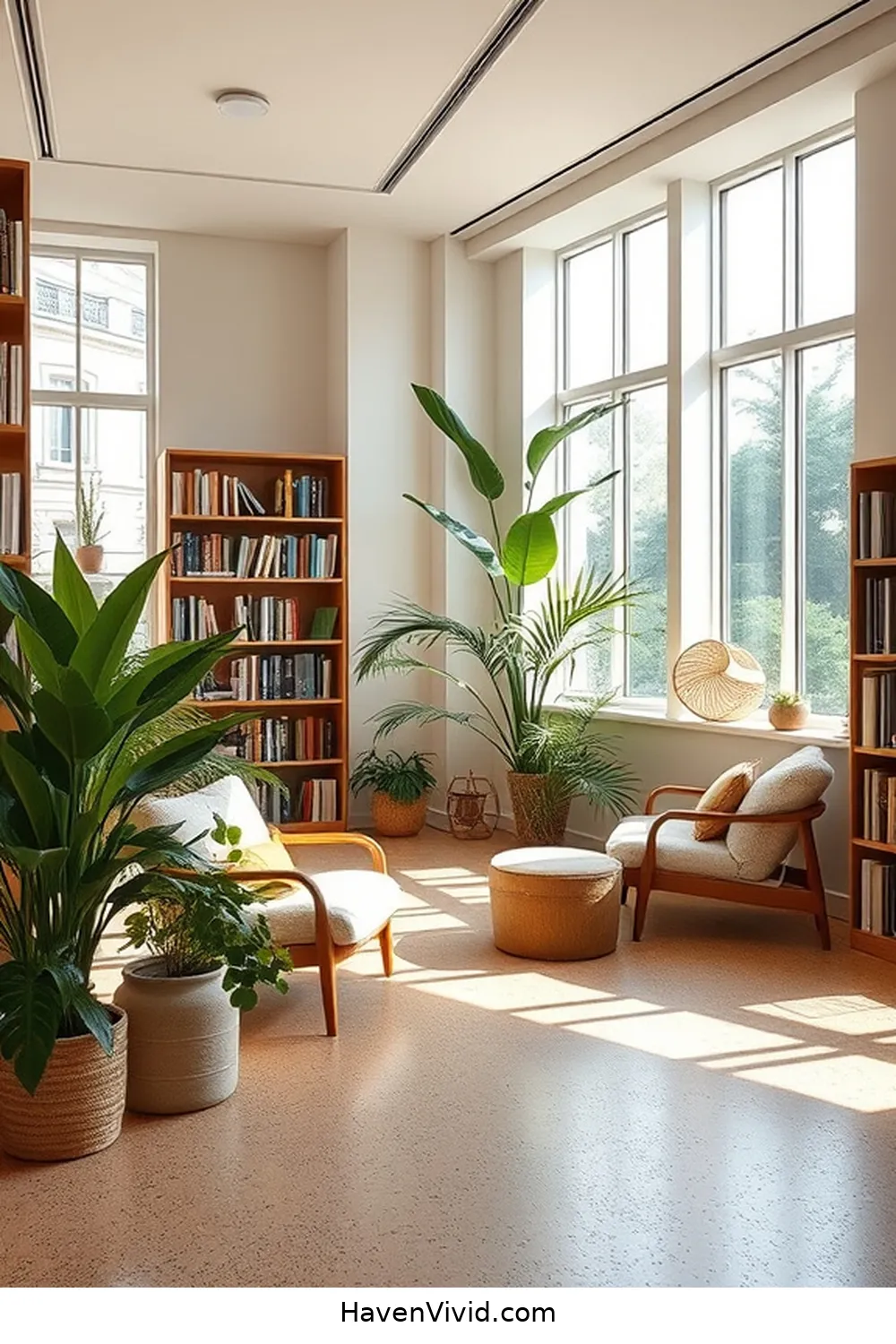
Cork Flooring Installation for 17 Ways for Eco-Friendly Living in Libraries Using Natural Fibers

Although many people overlook flooring options, I believe installing cork flooring in libraries can be an excellent choice for eco-friendly living. Cork is sustainable, as it’s harvested from the bark of cork oak trees without harming them. Plus, it provides natural insulation, reducing energy costs.

Here’s a quick comparison of cork flooring benefits:

FeatureCork Flooring
Eco-FriendlyYes
ComfortExcellent cushioning
DurabilityWater-resistant

Installing cork flooring not only enhances the library’s aesthetic but also promotes a healthier indoor environment. Its natural antimicrobial properties help maintain cleanliness, making it an ideal option for high-traffic areas. Consider cork for a sustainable, stylish, and functional library space!

Recommended Items

Discover our selection of eco-friendly products and tools to enhance your library experience with natural fibers!

Products

πŸ“š Bamboo Bookshelf πŸ›’ Check
πŸ‘œ Cotton Tote Bags πŸ›’ Check
πŸ“– Jute Book Covers πŸ›’ Check
πŸ“ Hemp Notebooks πŸ›’ Check
🧢 Natural Fiber Rugs πŸ›’ Check

Equipment

🧡 Sewing Machine πŸ›’ Check
πŸ”« Hot Glue Gun πŸ›’ Check
βœ‚οΈ Scissors πŸ›’ Check
πŸ“ Measuring Tape πŸ›’ Check
πŸ—‘οΈ Crafting Knife πŸ›’ Check

Sisal Bulletin Boards

Sisal Bulletin Boards for 17 Ways for Eco-Friendly Living in Libraries Using Natural Fibers

Cork flooring sets a fantastic foundation for eco-friendly design, and it’s just the beginning of creating an inviting library space.

Cork flooring provides an ideal base for sustainable design, paving the way for a welcoming library atmosphere.

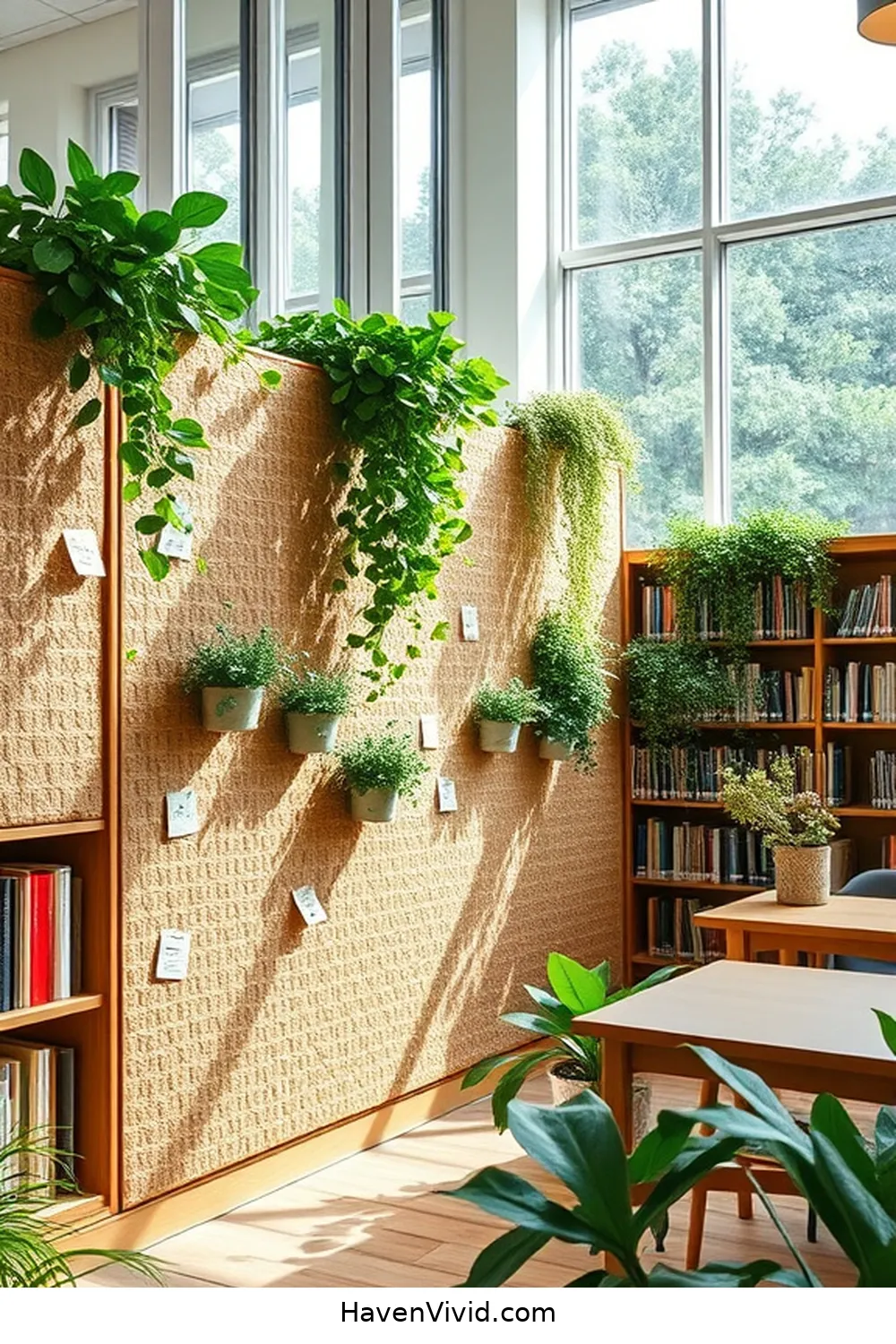
One great addition is sisal bulletin boards. Made from natural fibers, these boards aren’t only durable but also biodegradable, making them an eco-conscious choice. They provide a perfect surface for displaying announcements, artwork, or community information.

Plus, their textured surface adds a warm, organic touch to your library’s aesthetic.

Installing sisal bulletin boards is simple, and they come in various sizes to fit your needs. You’ll appreciate how they blend seamlessly with other natural materials in the space.

Wool Seating Cushions
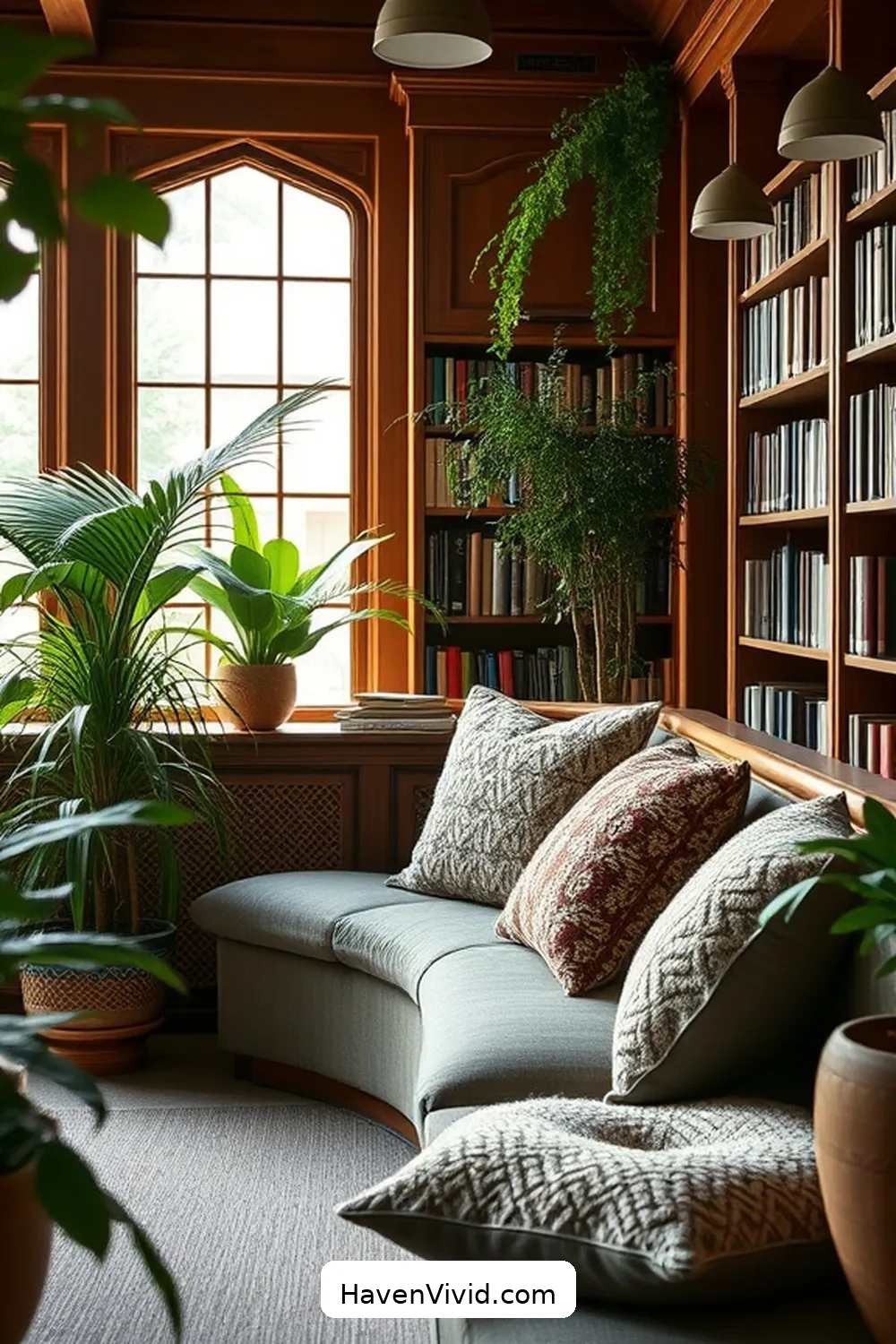
Wool Seating Cushions for 17 Ways for Eco-Friendly Living in Libraries Using Natural Fibers

Wool seating cushions bring both comfort and sustainability to library spaces. I love how they provide a cozy spot for readers while also supporting eco-friendly practices.

Here are three reasons why I believe these cushions are a great addition:

  1. Natural Insulation: Wool regulates temperature, keeping you warm in the winter and cool in the summer, enhancing your reading experience.
  2. Durability: These cushions are incredibly resilient, lasting longer than synthetic alternatives, which means less waste over time.
  3. Biodegradability: When they’ve reached the end of their life, wool cushions decompose naturally, returning nutrients to the earth.

Task Overview for Eco-Friendly Library Decor

Select natural fibers like cotton, jute, or linen for decor.
Choose a color palette inspired by nature.
Create wall hangings using woven natural fibers.
Design soft furnishings like cushions or throws from eco-friendly fabrics.
Incorporate plants in decorative pots made from sustainable materials.
Make DIY bookmarks using recycled paper and natural fiber twine.
Use natural fiber baskets for organizing books and supplies.
Craft table runners from burlap or organic cotton.
Implement lighting with natural fiber lampshades.
Create a reading nook with a cozy natural fiber rug.
Hang art made from pressed flowers or leaves in natural frames.
Design eco-friendly signage using kraft paper and natural dyes.
Incorporate upcycled wood for shelving and furniture.
Host workshops to teach others about using natural fibers.
Encourage community involvement in decorating with eco-friendly materials.
Document the process and share on social media for inspiration.

Biodegradable Bookmarks

Biodegradable Bookmarks for 17 Ways for Eco-Friendly Living in Libraries Using Natural Fibers

Have you ever thought about how bookmarks can be both functional and environmentally friendly?

I’ve recently discovered the charm of biodegradable bookmarks, and I’m excited to share them with you. Made from natural fibers like hemp or recycled paper, these bookmarks break down easily after use, reducing waste. They come in various designs and sizes, making them perfect for any book lover.

Plus, they’re often printed with eco-friendly inks, enhancing their sustainability.

Using biodegradable bookmarks not only supports your reading habit but also promotes a greener library environment. You can even encourage patrons to make the switch by providing these eco-friendly options at checkout.

Let’s inspire others to make small changes that contribute to a healthier planet!

Eco-Friendly Craft Materials
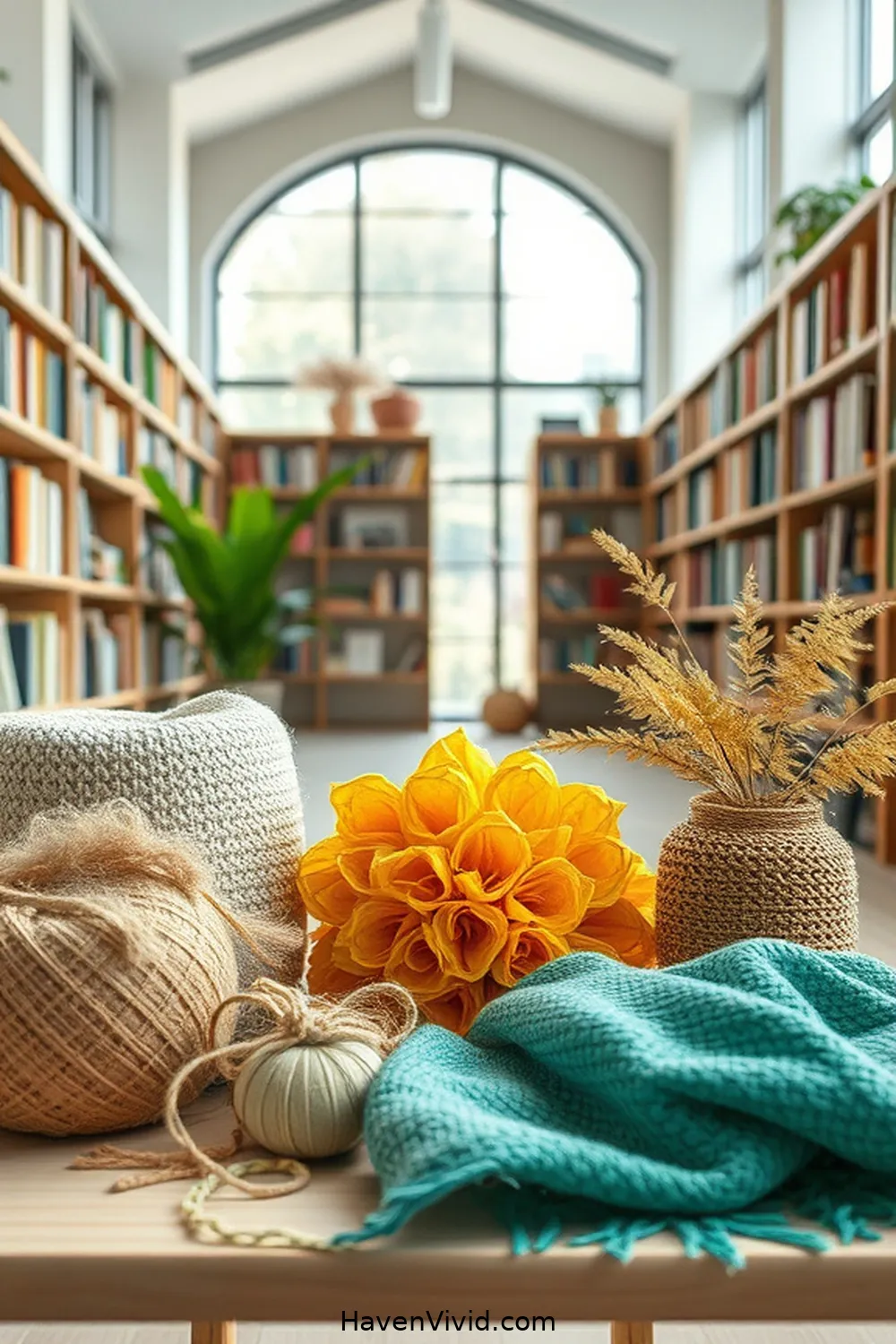
Eco-Friendly Craft Materials for 17 Ways for Eco-Friendly Living in Libraries Using Natural Fibers

As we embrace eco-friendly bookmarks, it’s a great time to explore other sustainable materials for crafting.

I’ve discovered that using natural fibers not only boosts creativity but also supports our planet.

Here are three eco-friendly craft materials I love:

  1. Jute Twine: This durable fiber makes beautiful gift wrapping or rustic decor. It’s biodegradable, so you won’t worry about waste.
  2. Cotton Fabric Scraps: Perfect for sewing projects, these remnants can create delightful patchwork crafts, reducing landfill waste.
  3. Recycled Paper: Use old magazines or newspapers for collages and paper mΓ’chΓ©. It’s a fantastic way to give new life to forgotten items.

Choosing these materials not only enhances our projects but also nurtures our environment, making each creation meaningful.

πŸ’‘ PRO TIP

Use organic cotton or hemp for library bags and book covers to reduce plastic use.

πŸ’‘ PRO TIP

Incorporate bamboo furniture in reading areas for a sustainable and stylish look.

πŸ’‘ PRO TIP

Utilize jute or sisal carpets to enhance the natural aesthetics of library spaces.

πŸ’‘ PRO TIP

Provide natural fiber bookmarks made from recycled materials to promote eco-friendly practices.

πŸ’‘ PRO TIP

Encourage the use of wool or linen for upholstery in library seating to minimize synthetic materials.

Natural Fiber Upholstery

Natural Fiber Upholstery for 17 Ways for Eco-Friendly Living in Libraries Using Natural Fibers

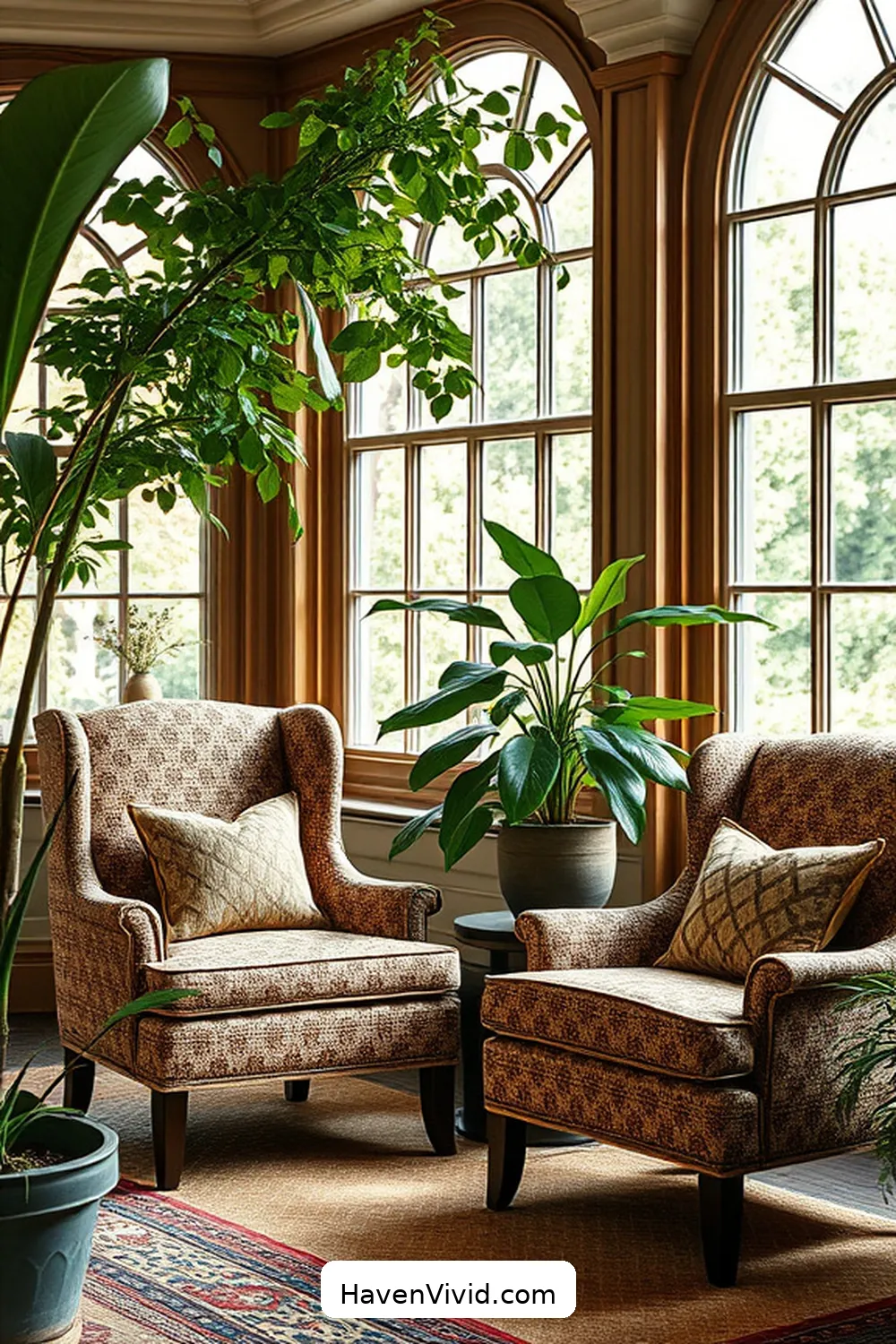
While I appreciate the beauty of natural fiber upholstery, I also recognize its practicality in sustainable living. Using materials like cotton, linen, and hemp not only adds a warm, inviting touch to library spaces but also minimizes our environmental impact.

These fibers are biodegradable and renewable, making them a responsible choice for upholstery. Plus, they offer durability and comfort, essential for heavy-use areas like reading nooks or study rooms.

I’ve found that natural fiber fabrics are often easier to clean and maintain, which is a bonus in a library setting. By choosing these materials, we can create a cozy atmosphere while promoting eco-friendly practices.

Let’s embrace natural fiber upholstery as a stylish and sustainable solution for our library environments.

Seagrass Baskets for Organizing
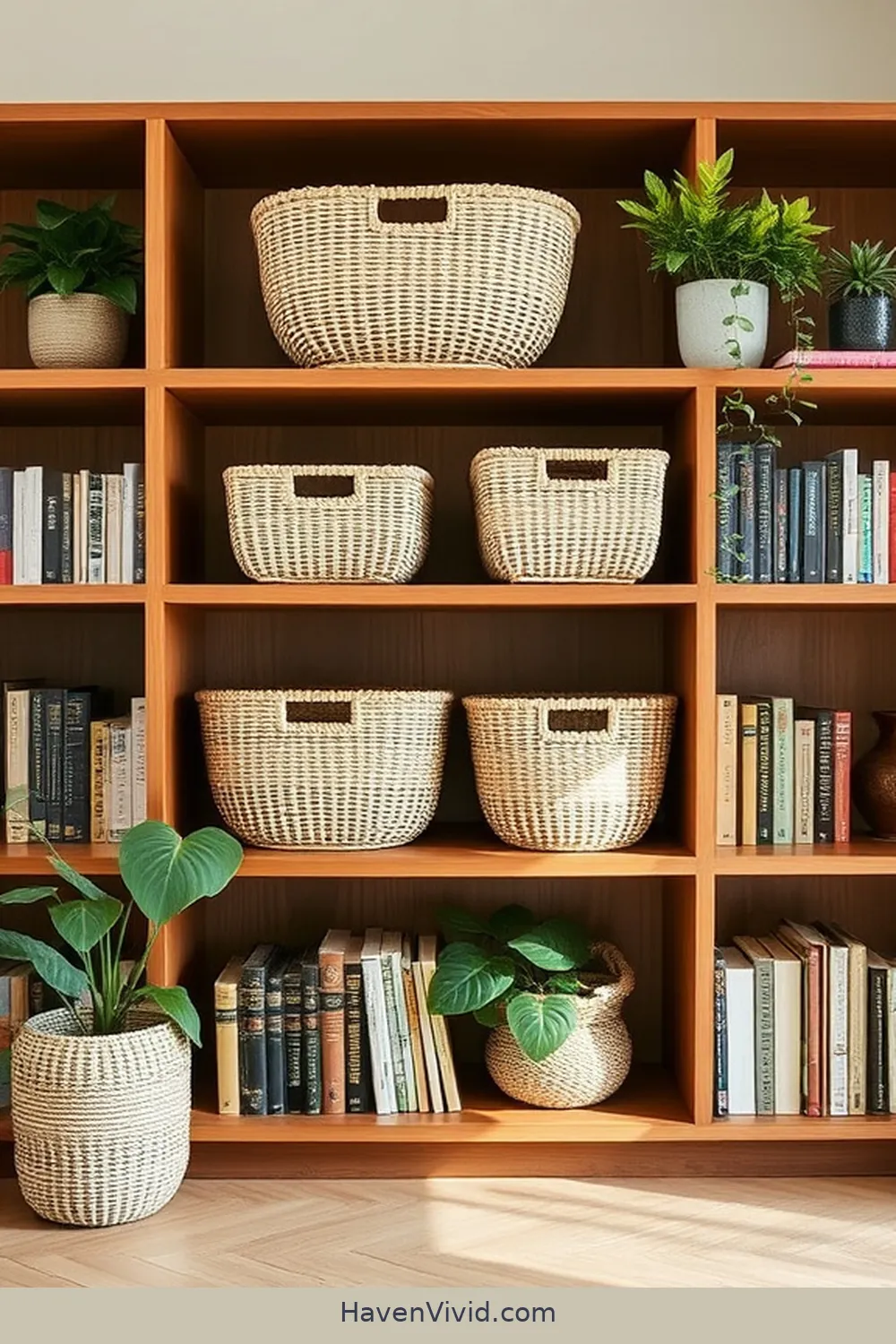
Seagrass Baskets for Organizing for 17 Ways for Eco-Friendly Living in Libraries Using Natural Fibers

Seagrass baskets offer a delightful and eco-friendly solution for organizing library spaces.

I love how they blend functionality with natural beauty, creating an inviting atmosphere.

Here are three reasons why I recommend using them:

  1. Versatility: Whether you need to store books, magazines, or craft supplies, these baskets fit seamlessly into any nook or cranny.
  2. Sustainability: Made from renewable resources, seagrass baskets help reduce our carbon footprint while adding a touch of nature indoors.
  3. Aesthetics: Their natural texture and earthy tones enhance the library’s ambiance, making it a more welcoming place for everyone.

Incorporating seagrass baskets not only organizes but also elevates the library experienceβ€”an easy step toward a greener future!

Cotton Canvas Art Projects
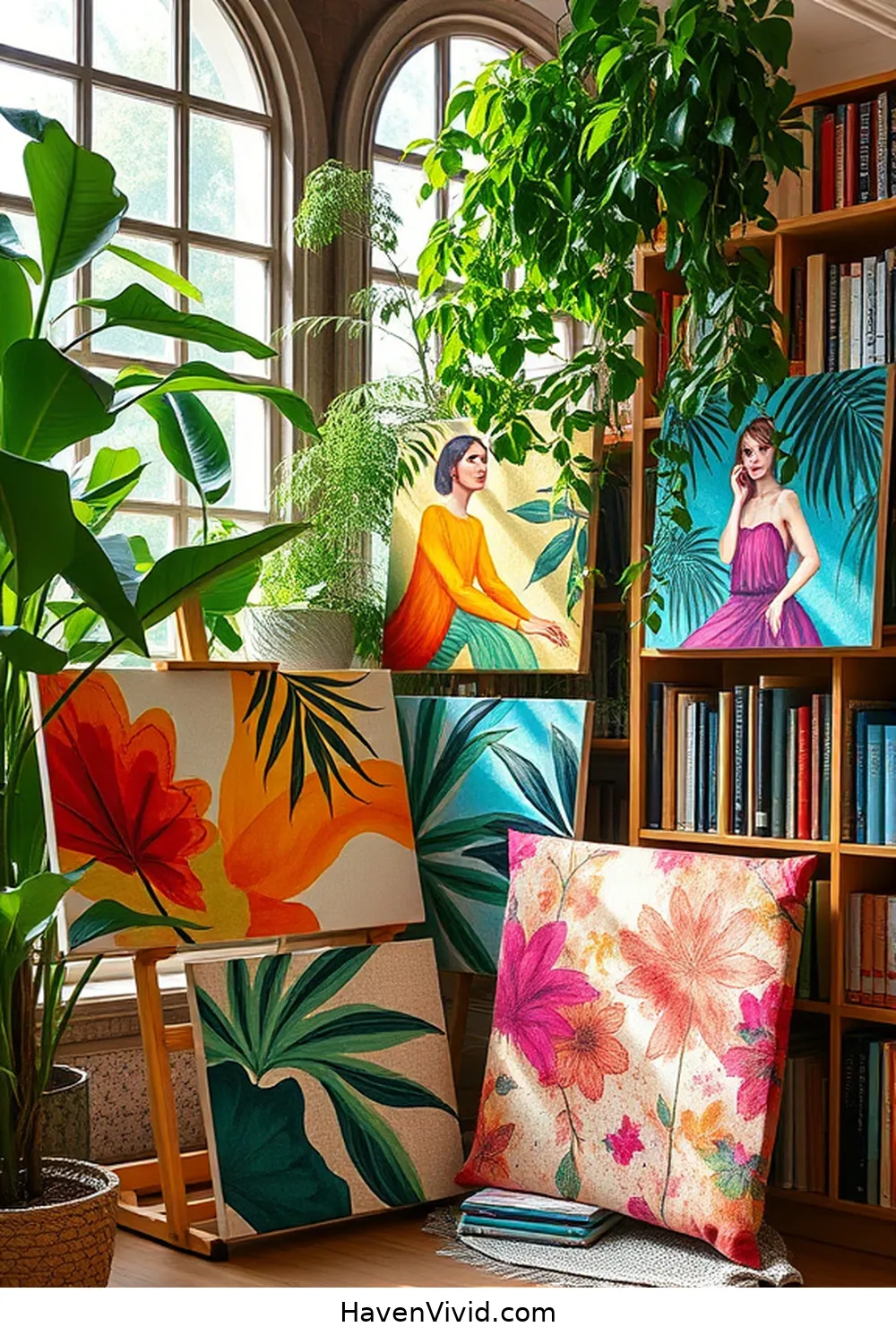
Cotton Canvas Art Projects for 17 Ways for Eco-Friendly Living in Libraries Using Natural Fibers

After enhancing our library’s organization with seagrass baskets, it’s time to explore the creative possibilities of cotton canvas art projects.

Cotton canvas isn’t only eco-friendly, but it’s also a versatile medium for various artistic expressions. I love the idea of hosting workshops where patrons can create their own art. We could paint vibrant murals, design unique tote bags, or even craft wall hangings that reflect our library’s theme.

These projects encourage community involvement and foster a love for art while promoting sustainability. Plus, using cotton canvas reduces reliance on synthetic materials.

Let’s gather supplies and invite everyone to release their creativity. Together, we can transform our library space into a colorful tapestry of eco-conscious artistry!

Sustainable Merchandise for Sale
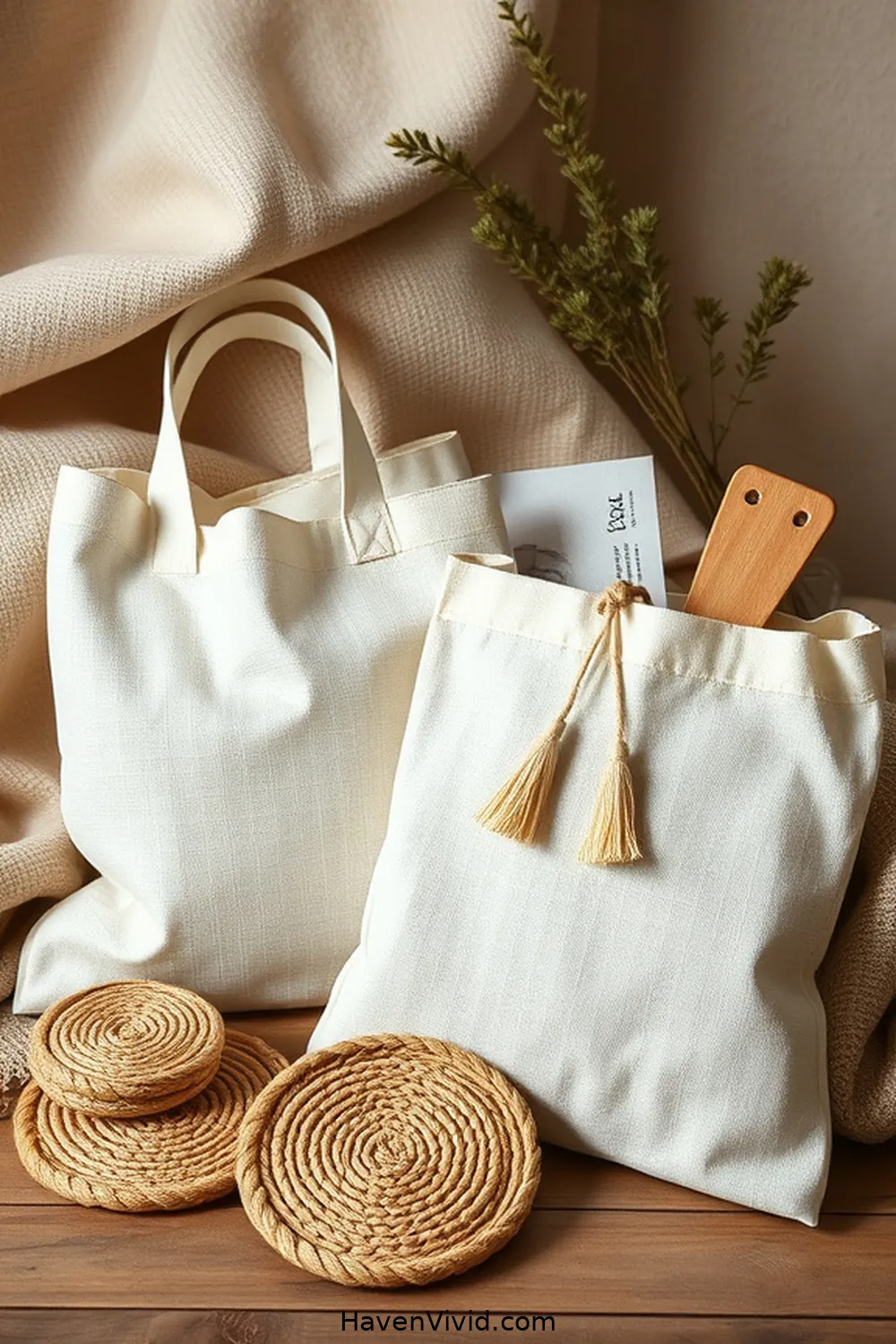
Sustainable Merchandise for Sale for 17 Ways for Eco-Friendly Living in Libraries Using Natural Fibers

As we embrace our commitment to sustainability, I’m excited to introduce a selection of eco-friendly merchandise for sale in our library.

These items not only support our green initiatives but also make great gifts or personal treasures.

Here are three highlights:

  1. Recycled Notebooks: Crafted from post-consumer waste, these notebooks are perfect for jotting down notes or doodling your creativity.
  2. Bamboo Bookmarks: Durable and beautiful, these bookmarks remind us to cherish our reading journey while being kind to the planet.
  3. Organic Cotton Tote Bags: Say goodbye to plastic! Our stylish totes are ideal for carrying books and groceries alike.

Your Friendly Guide to Eco-Friendly Library Living with Natural Fibers

? What are natural fibers and why should libraries use them?
Natural fibers, like cotton, linen, jute, and hemp, are derived from plants and animals. Libraries should embrace these materials because they’re biodegradable, renewable, and often more sustainable than synthetic options. By using natural fibers, we can reduce our carbon footprint and promote eco-friendly practices within our community.
Was this helpful?
? How can libraries incorporate natural fibers into their decor?
There are so many wonderful ways to add natural fibers to library decor! Think about using jute rugs, cotton curtains, or linen upholstery for furniture. Even decorative elements like wall hangings or book covers can be made from eco-friendly materials. It’s all about creating a cozy, inviting atmosphere while being kind to our planet.
Was this helpful?
? Are there any specific natural fiber products that are great for library usage?
Absolutely! Look for items like cotton book bags for patrons, jute or hemp storage bins for organizing supplies, and linen tablecloths for events. These products not only serve a purpose but also showcase our commitment to sustainability. Plus, they often come in beautiful, earthy tones that enhance the library’s aesthetic.
Was this helpful?
? Can natural fibers help with library programs or events?
Definitely! Using natural fibers for event materials, like biodegradable banners or cotton table setups, aligns with eco-friendly themes. For workshops, you could even host craft sessions using natural fibers, teaching patrons how to create their own eco-friendly items. It’s a great way to engage the community in sustainability!
Was this helpful?
? How can we educate library visitors about the benefits of natural fibers?
Education is key! Consider creating informational displays that highlight the benefits of natural fibers. Host workshops or talks about sustainability practices and how small changes can make a big impact. Partner with local eco-friendly businesses to provide resources and products, making it a community effort!
Was this helpful?
? What are some easy DIY projects using natural fibers for libraries?
There are tons of fun DIY projects! You could create bookmarks from recycled natural fiber paper, weave small wall art from jute, or even make natural fiber gift bags for library events. These projects not only promote creativity but also emphasize the beauty of sustainable materials.
Was this helpful?
? How do natural fibers compare to synthetic alternatives in terms of durability?
Natural fibers can be quite durable, especially when cared for properly. While they may not always match the lifespan of some synthetics, they offer a unique charm and warmth that synthetics often lack. Plus, when they do wear out, they’re biodegradable and won’t contribute to landfill waste!
Was this helpful?
? Can we source natural fibers locally for library projects?
Yes, sourcing locally is a fantastic idea! Check out local artisans, farmers’ markets, or eco-friendly shops that offer natural fiber products. This not only supports the local economy but also reduces transportation emissions, making your library’s initiatives even more sustainable.
Was this helpful?
? What are some challenges libraries might face when using natural fibers?
Some challenges include the initial cost, as natural fibers can be pricier than synthetic ones. There’s also the need for proper care and maintenance to ensure longevity. However, the benefits far outweigh these challenges, and with thoughtful planning, libraries can successfully incorporate natural fibers into their spaces.
Was this helpful?
? How can we encourage patrons to bring their own natural fiber items?
You could start by offering incentives, like discounts for using natural fiber bags or containers. Create awareness campaigns that highlight the environmental impact of single-use plastics. A fun idea could be a ‘Bring Your Own Bag’ day where patrons can share their favorite eco-friendly bags!
Was this helpful?
? What role do volunteers play in implementing natural fiber initiatives?
Volunteers are essential! They can help with organizing workshops, creating displays, or even leading DIY sessions with natural fibers. Engaging the community through volunteer efforts not only helps implement initiatives but also fosters a sense of ownership and pride in our library’s sustainability journey.
Was this helpful?
? How can we measure the impact of our natural fiber initiatives?
Start by setting clear goals, like reducing plastic use by a certain percentage or increasing awareness through workshops. Collect feedback from patrons and track participation in events. Over time, you’ll see how these initiatives resonate with your community and contribute to a more eco-friendly library.
Was this helpful?
? Is it possible to repurpose old natural fiber items for library use?
Definitely! Old cotton or linen fabrics can be turned into book covers, tote bags, or even art supplies. Jute can be repurposed for storage solutions. This not only promotes sustainability but also encourages creativity and innovation within the library space.
Was this helpful?
? How can libraries collaborate with other organizations for natural fiber initiatives?
Collaboration is key! Partnering with local eco-friendly businesses, schools, or community organizations can amplify your efforts. You can co-host events, share resources, and create a larger impact together. Building these relationships fosters a sense of community and shared commitment to sustainability.
Was this helpful?
? What should we do if natural fiber products aren’t available?
If natural fiber products are hard to find, consider reaching out to suppliers or local artisans who may be willing to create custom items. Additionally, explore alternative eco-friendly materials that could serve similar purposes. Remember, the goal is to remain flexible and open-minded in your sustainability journey!
Was this helpful?
? How do we keep the momentum going once we start using natural fibers?
Sustainability is a continuous journey! Regularly engage your community with updates on your initiatives, celebrate successes, and keep introducing new ideas. Encourage feedback and suggestions to make everyone feel involved. By fostering an ongoing dialogue, you can maintain enthusiasm and commitment to eco-friendly living.
Was this helpful?
Tags: eco-friendly librariesnatural fiberssustainable practices
Pin76Share336Tweet210
Previous Post

10 Creative Artistic Entryway Designs Using Reclaimed Materials

Next Post

Embrace Eco-Friendly Living in Your Bathroom Using Recycled Wood

Related Posts

Image for: 20 Ways to Embrace Eco-Friendly Living in Your Home Office Using Bamboo
Eco-Friendly Living

20 Ways to Embrace Eco-Friendly Living in Your Home Office Using Bamboo

by havenvivid
April 13, 2025
Image for: Transform Your Hallway Using Solar-Powered Lights for Eco-Friendly Living
Eco-Friendly Living

Transform Your Hallway Using Solar-Powered Lights for Eco-Friendly Living

by havenvivid
April 13, 2025
Image for: Embrace Eco-Friendly Living in Your Dining Room Using Bamboo
Eco-Friendly Living

Embrace Eco-Friendly Living in Your Dining Room Using Bamboo

by havenvivid
April 13, 2025
Image for: 12 Creative Ways for Eco-Friendly Living in Your Entryway Using Reclaimed Materials
Eco-Friendly Living

12 Creative Ways for Eco-Friendly Living in Your Entryway Using Reclaimed Materials

by havenvivid
April 13, 2025
Image for: Step-by-Step Guide for Eco-Friendly Living in the Bedroom Using Organic Cotton
Eco-Friendly Living

Step-by-Step Guide for Eco-Friendly Living in the Bedroom Using Organic Cotton

by havenvivid
April 13, 2025
Next Post
Image for: Embrace Eco-Friendly Living in Your Bathroom Using Recycled Wood

Embrace Eco-Friendly Living in Your Bathroom Using Recycled Wood

Image for: Embrace a Minimalist Lifestyle Using Bamboo in Your Living Room

Embrace a Minimalist Lifestyle Using Bamboo in Your Living Room

Image for: Create a Minimalist Home Office Using Recycled Wood

Create a Minimalist Home Office Using Recycled Wood

No Result
View All Result

Categories

  • Artistic Spaces
  • Coastal Living
  • Eco-Friendly Living
  • Family-Friendly Living
  • Farmhouse Living
  • Glamorous Lifestyle
  • Minimalist Lifestyle
  • Urban Living
Pinterest Facebook

Link

  • About Us
  • Contact Us
  • Privacy Policy
  • Terms

Category

  • Artistic Spaces
  • Coastal Living
  • Eco-Friendly Living
  • Family-Friendly Living
  • Farmhouse Living
  • Glamorous Lifestyle
  • Minimalist Lifestyle
  • Urban Living

Recent News

Image for: 18 Chic Ways of Using Cork for a Glamorous Nursery Lifestyle

18 Chic Ways of Using Cork for a Glamorous Nursery Lifestyle

April 13, 2025
Image for: 13 Ways to Embrace a Minimalist Lifestyle in Your Home Office Using Bamboo

13 Ways to Embrace a Minimalist Lifestyle in Your Home Office Using Bamboo

April 13, 2025

Β© 2026 havenvivid.com. All rights reserved.

No Result
View All Result
  • Home
  • Artistic Spaces
  • Coastal Living
  • Eco-Friendly Living
  • Family-Friendly Living
  • Farmhouse Living
  • Glamorous Lifestyle
  • Minimalist Lifestyle
  • Urban Living

Β© 2026 havenvivid.com. All rights reserved.

Welcome Back!

Login to your account below

Forgotten Password?

Retrieve your password

Please enter your username or email address to reset your password.

Log In
This website uses cookies. By continuing to use this website you are giving consent to cookies being used. Visit our Privacy and Cookie Policy.