Haven Vivid
No Result
View All Result
  • Home
  • Artistic Spaces
  • Coastal Living
  • Eco-Friendly Living
  • Family-Friendly Living
  • Farmhouse Living
  • Glamorous Lifestyle
  • Minimalist Lifestyle
  • Urban Living
Haven Vivid
No Result
View All Result
Home Eco-Friendly Living

12 Easy Ways for Eco-Friendly Living in Your Nursery Using Upcycled Fabric

by havenvivid
April 13, 2025
in Eco-Friendly Living
Reading Time: 20 mins read
660
Image for: 12 Easy Ways for Eco-Friendly Living in Your Nursery Using Upcycled Fabric

Illustration for: 12 Easy Ways for Eco-Friendly Living in Your Nursery Using Upcycled Fabric

Share on PinterestShare on FacebookShare on Twitter

This post may contain affiliate links. Please read our policy page.

I love upcycling fabric to create an eco-friendly nursery! You can make wall art, soft toys, and stylish storage bins from old clothes. Handmade fabric mobiles catch your baby’s eye, while reusable fabric wipes are great for diaper changes. Mix and match fabric for creative curtains and quilted blankets. Don’t forget vibrant fabric play mats for safe playtime and personalized baskets for organization. There are plenty more ideas to explore for a sustainable nursery!

Table of Contents

Toggle
  • Upcycled Fabric Wall Art
  • DIY Soft Toys From Old Clothes
  • Stylish Storage Bins Made From Fabric
  • Handmade Fabric Mobile for the Crib
  • Reusable Fabric Wipes for Diaper Changes
  • Recommended Items
  • Upcycled Cushion Covers for Comfort
  • Adorable Fabric Bunting for Decoration
  • Eco-Friendly Changing Pad Covers
  • Creative Fabric Curtains for Nursery
  • Quilted Nursery Blankets From Scrap Fabric
  • Task Overview for Eco-Friendly Nursery Decor
  • Fabric Play Mats for Safe Playtime
  • Personalized Fabric Baskets for Organization
  • Your Go-To Guide for Eco-Friendly Nursery Living with Upcycled Fabric

Upcycled Fabric Wall Art

Upcycled Fabric Wall Art for 12 Easy Ways for Eco-Friendly Living in Your Nursery Using Upcycled Fabric

Creating upcycled fabric wall art for your nursery is a fun and eco-friendly way to personalize the space. I love using old clothes, scraps, and even fabric remnants to craft unique pieces that reflect my family’s style.

First, I gather various fabrics in colors and patterns I adore. Next, I cut them into shapes, like animals or stars, and arrange them on a canvas or directly on the wall. A bit of fabric glue secures everything in place.

This creative process not only reduces waste but also brings character to the nursery. Plus, I get to cherish sentimental items, transforming them into art. It’s a rewarding project that leaves a positive environmental footprint while enhancing the room’s charm.

DIY Soft Toys From Old Clothes
DIY Soft Toys From Old Clothes for 12 Easy Ways for Eco-Friendly Living in Your Nursery Using Upcycled Fabric

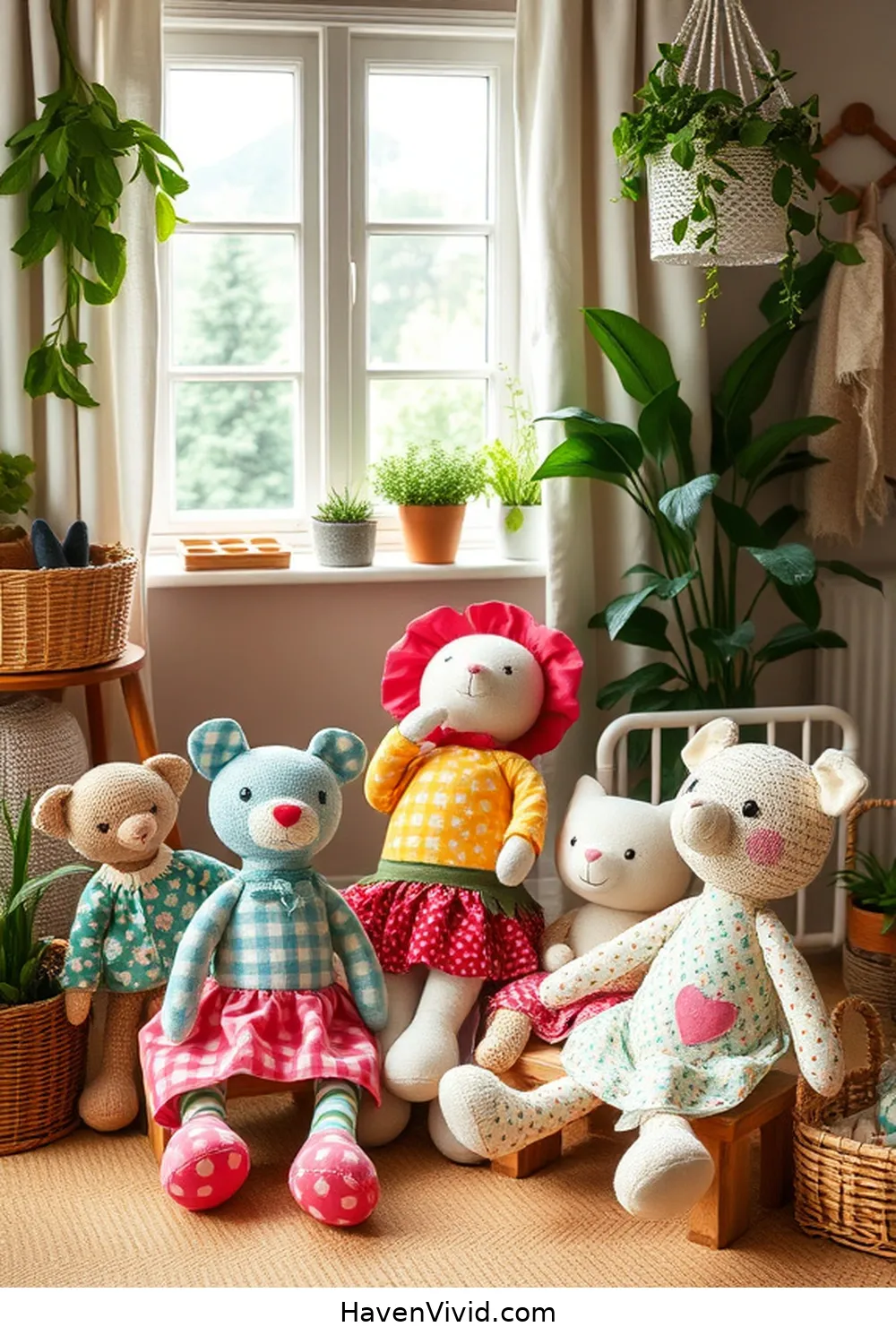
After crafting upcycled fabric wall art, I found another creative way to repurpose old clothes: making DIY soft toys.

Discover a charming way to repurpose old clothes by creating DIY soft toys for your nursery.

This project not only utilizes those forgotten garments but also adds a personal touch to your nursery. Here’s how I do it:

  1. Choose the Right Clothes: Look for soft, worn clothing that’s ready for a second life. T-shirts, pajamas, or even old blankets work well.
  2. Cut and Sew: Cut the fabric into fun shapes, like animals or characters. Use simple stitches or even fabric glue for easy assembly.
  3. Stuff and Finish: Fill your toys with eco-friendly stuffing or fabric scraps, and secure the final seams.

Creating these soft toys is a delightful way to keep the nursery cozy and sustainable!

Stylish Storage Bins Made From Fabric
Stylish Storage Bins Made From Fabric for 12 Easy Ways for Eco-Friendly Living in Your Nursery Using Upcycled Fabric

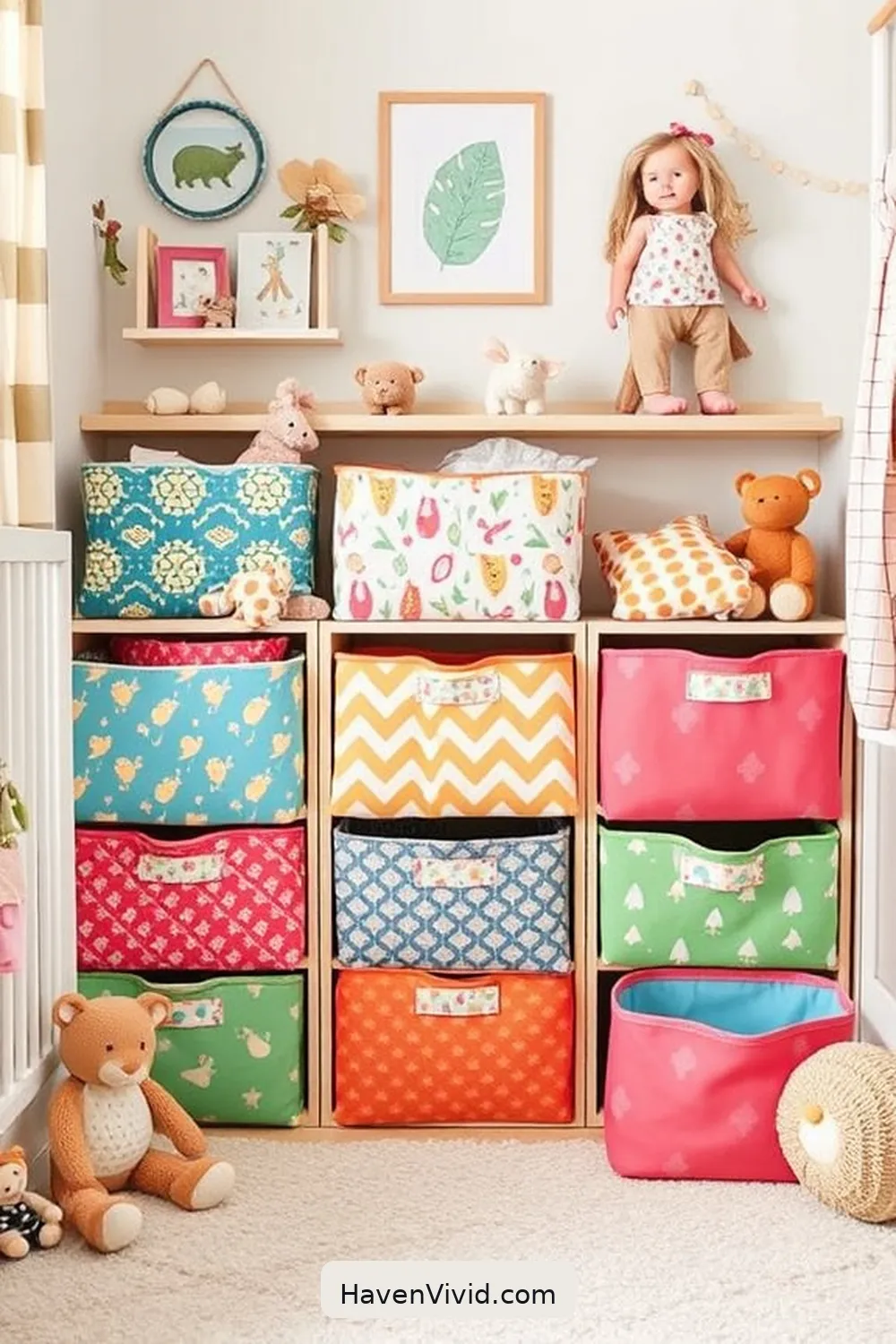
While organizing a nursery can feel overwhelming, stylish storage bins made from fabric can transform both function and aesthetics in the space.

I love using upcycled fabric to create unique bins that not only help me declutter but also add a personal touch. From vibrant patterns to soothing colors, these bins are perfect for holding toys, blankets, or clothes, making everything easily accessible.

They’re simple to sew, and I can customize the size to fit any shelf or corner. Plus, choosing eco-friendly materials means I’m contributing to a sustainable future.

Handmade Fabric Mobile for the Crib
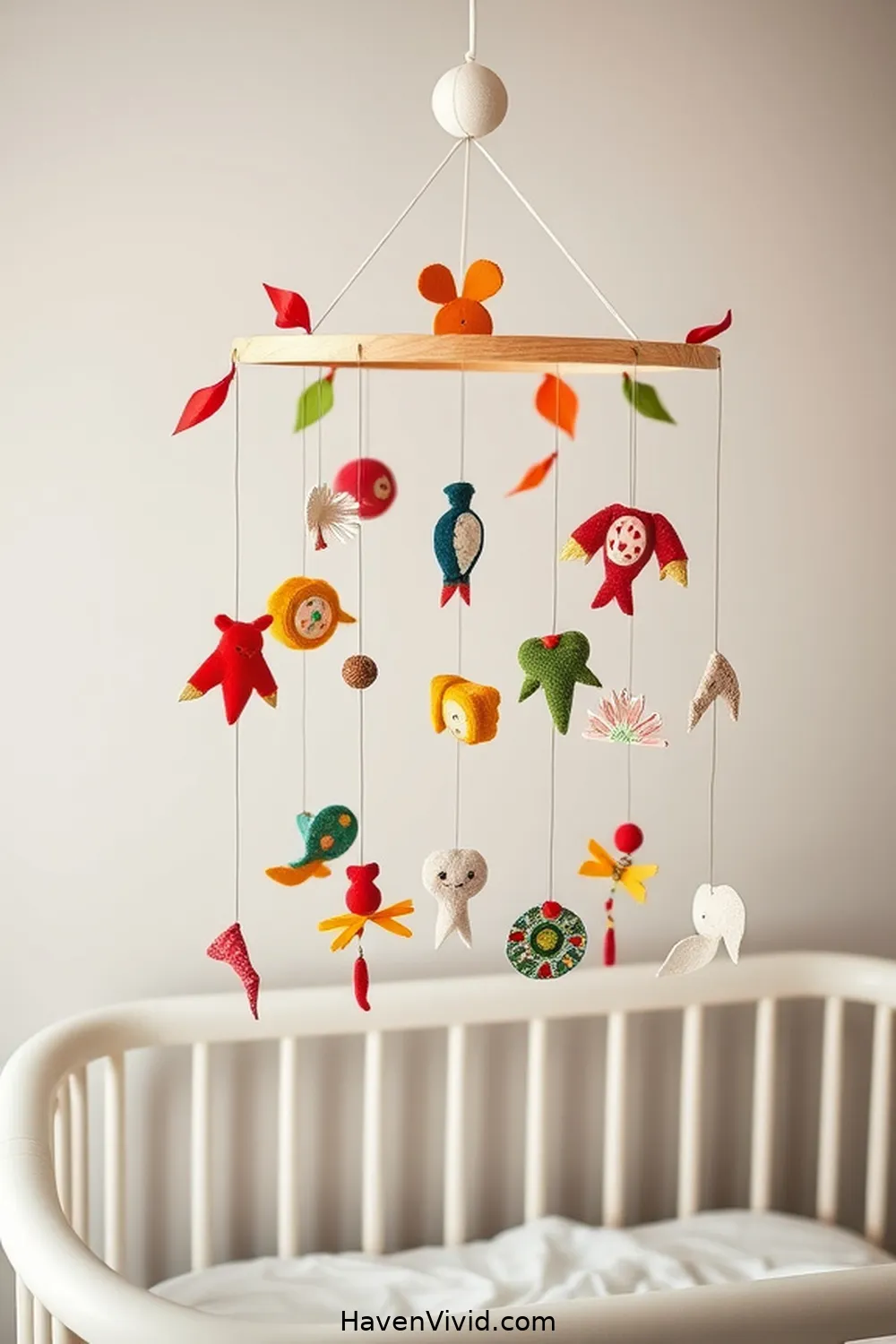
Handmade Fabric Mobile for the Crib for 12 Easy Ways for Eco-Friendly Living in Your Nursery Using Upcycled Fabric

Incorporating handmade elements into a nursery enhances both its charm and functionality, just like those stylish fabric storage bins.

Handmade elements in a nursery elevate its charm and functionality, adding a personal touch to your baby’s space.

One of my favorite projects is creating a handmade fabric mobile for the crib. Not only does it beautify the space, but it also captures my baby’s attention.

Here are three simple steps to make your own:

  1. Choose Your Fabric: Use upcycled fabrics in fun patterns and colors to spark interest.
  2. Cut and Shape: Cut fabric into shapes like stars, clouds, or animals. Sew or glue embellishments for a unique touch.
  3. Assemble and Hang: Attach to a lightweight frame with string, ensuring everything is securely fastened.

Creating a custom mobile not only is practical but also adds a personal touch to your nursery.

Reusable Fabric Wipes for Diaper Changes
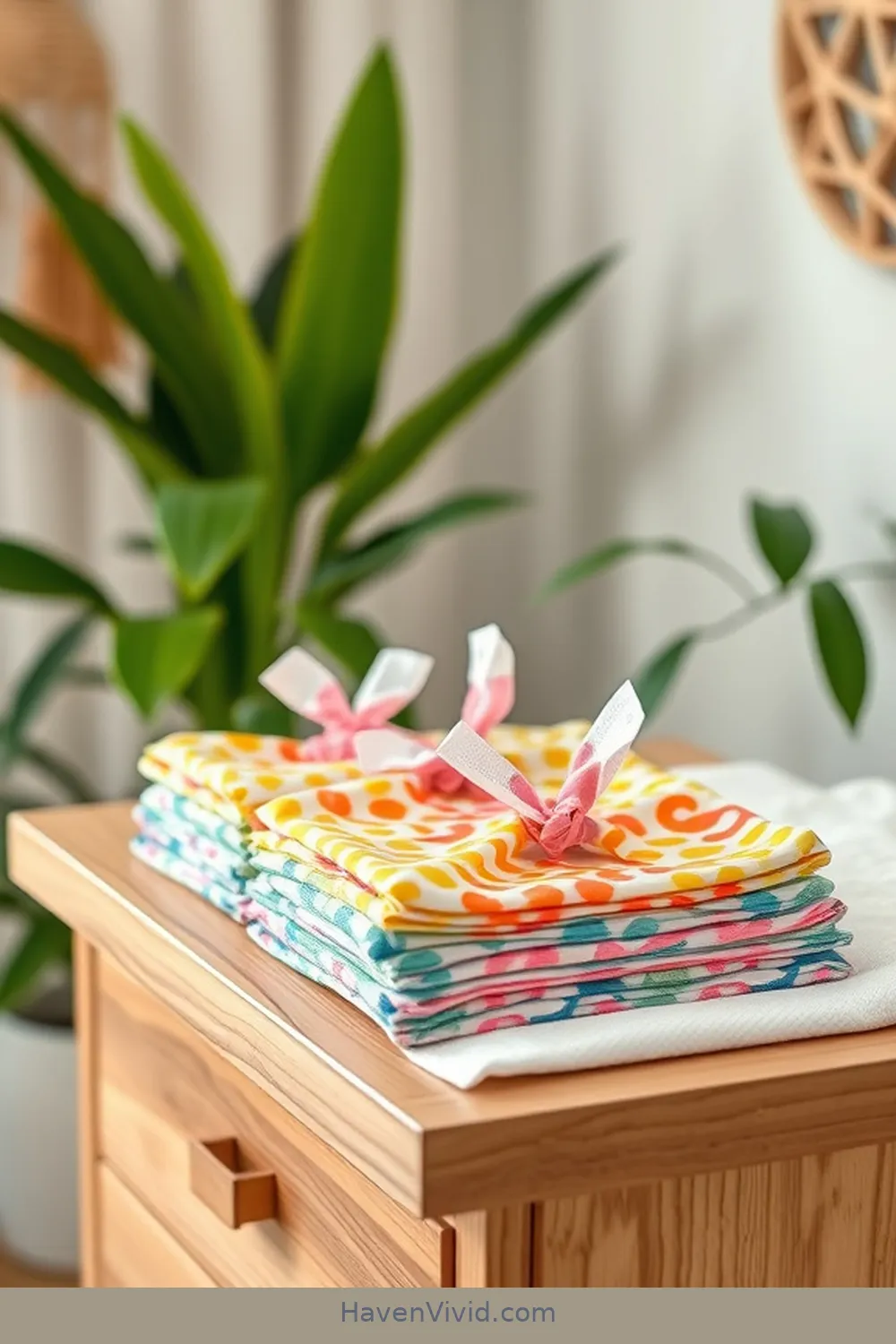
Reusable Fabric Wipes for Diaper Changes for 12 Easy Ways for Eco-Friendly Living in Your Nursery Using Upcycled Fabric

Using reusable fabric wipes for diaper changes is a game changer for any eco-conscious parent.

I’ve made the switch, and it’s one of the best decisions I’ve ever made for my nursery. These wipes are gentle on my baby’s skin and easy to cleanβ€”just toss them in the wash with the diapers.

I love that I can choose upcycled fabric, which not only reduces waste but also adds a unique touch to my baby’s routine. I simply wet the wipes with a mix of water and gentle cleanser before each change.

This method cuts down on disposable wipe expenses, and it’s so satisfying knowing I’m minimizing my environmental impact. Trust me, once you try them, you won’t look back!

Recommended Items

Discover our top picks to help you embrace eco-friendly living in your nursery!

Products

🧡 Upcycled Fabric πŸ›’ Check
🧼 Reusable Cloth Wipes πŸ›’ Check
🌱 Organic Cotton Blankets πŸ›’ Check
🧸 Sustainable Toy Storage πŸ›’ Check
πŸͺ΄ Natural Fiber Rugs πŸ›’ Check

Equipment

🧡 Sewing Machine πŸ›’ Check
βœ‚οΈ Fabric Scissors πŸ›’ Check
πŸ“ Measuring Tape πŸ›’ Check
πŸ”₯ Iron πŸ›’ Check
πŸ› οΈ Crafting Mat πŸ›’ Check

Upcycled Cushion Covers for Comfort

Upcycled Cushion Covers for Comfort for 12 Easy Ways for Eco-Friendly Living in Your Nursery Using Upcycled Fabric

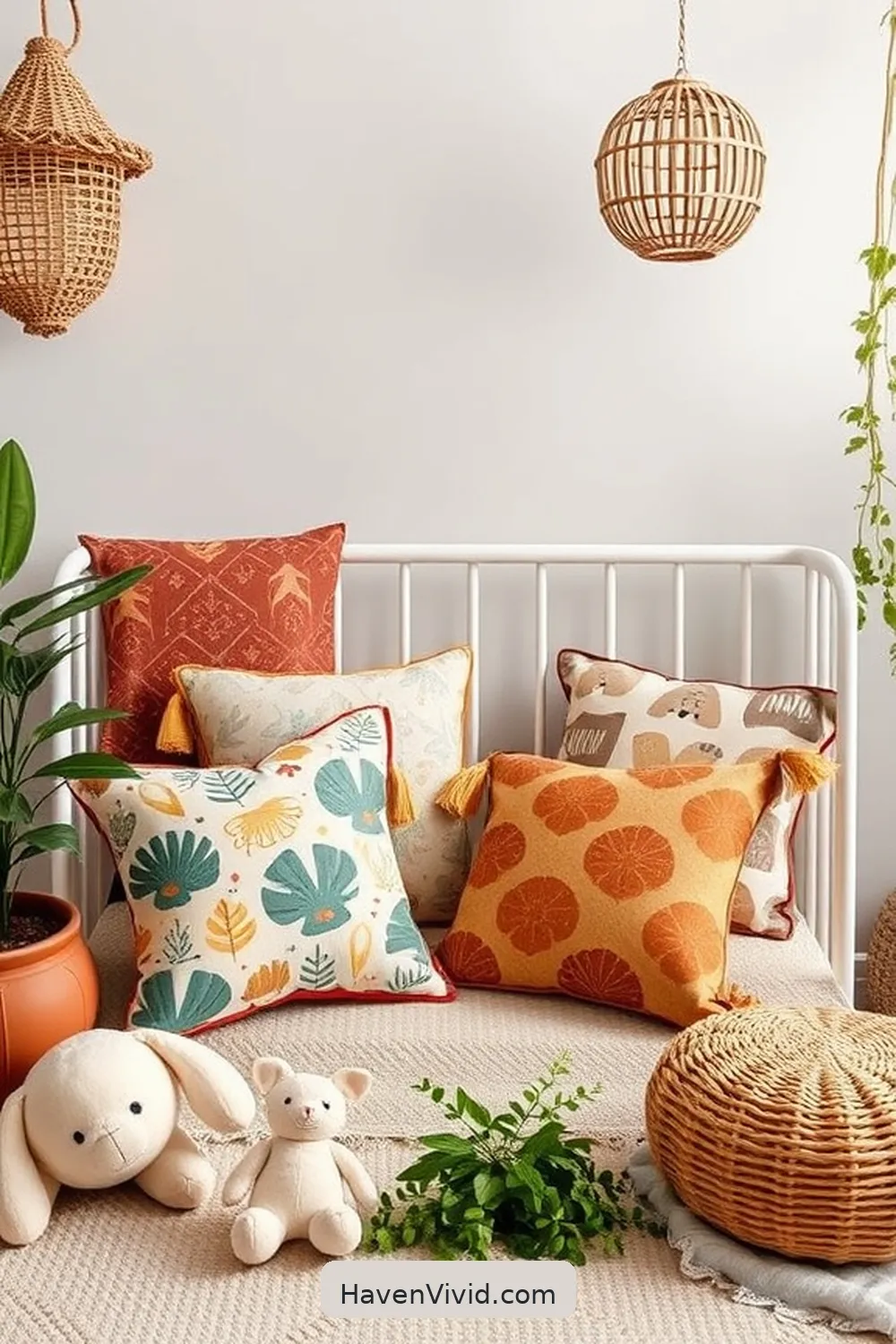
If you’re looking to add a touch of comfort and sustainable style to your nursery, upcycled cushion covers are a perfect choice. Not only do they provide softness for your little one, but they also help reduce waste.

Upcycled cushion covers bring comfort and eco-friendly flair to your nursery, softening the space while minimizing waste.

Here are three easy ways to make them work in your space:

  1. Choose Fabrics Wisely: Use fabric scraps from old clothes or linens to create unique designs that reflect your style.
  2. Customize Sizes: Make cushion covers that fit perfectly on any cushions you already have, ensuring a snug, tailored look.
  3. Add Personality: Incorporate playful patterns or colors that match your nursery theme, creating an inviting atmosphere.

Adorable Fabric Bunting for Decoration
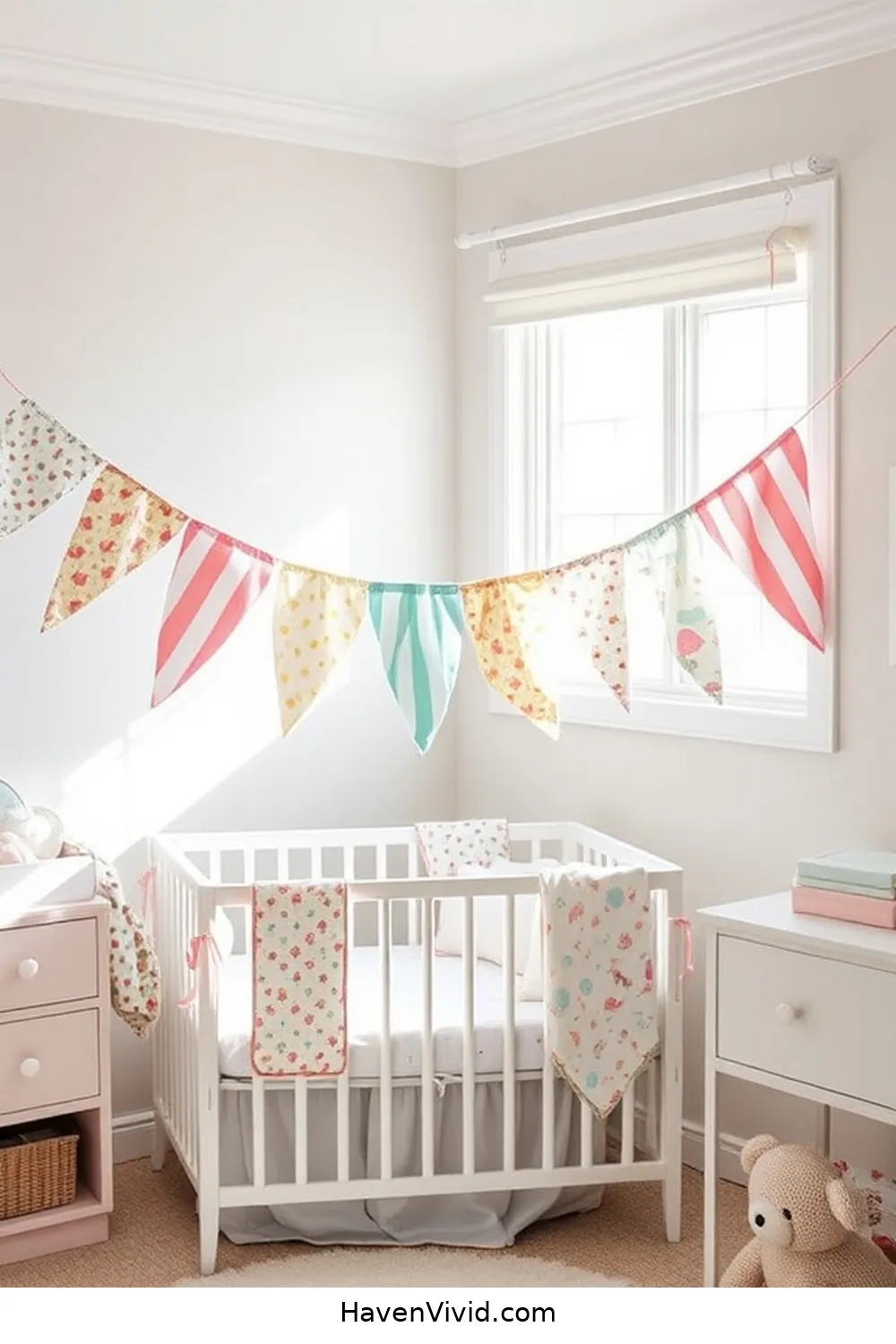
Adorable Fabric Bunting for Decoration for 12 Easy Ways for Eco-Friendly Living in Your Nursery Using Upcycled Fabric

After adding upcycled cushion covers for comfort, consider enhancing your nursery’s charm with adorable fabric bunting.

This easy DIY project allows you to use leftover fabric scraps in vibrant patterns and colors. Choose fabrics that complement the nursery’s theme, and cut them into fun shapes like triangles or circles. I often mix and match, creating a playful aesthetic.

To assemble the bunting, simply sew or glue your fabric pieces onto a sturdy string, leaving enough space between them for a whimsical look.

Hang the bunting above the crib or across a wall, and watch how it instantly brightens the space. Plus, it’s a fantastic conversation starter!

Your nursery will feel more personalized and inviting with this simple, eco-friendly touch.

Eco-Friendly Changing Pad Covers
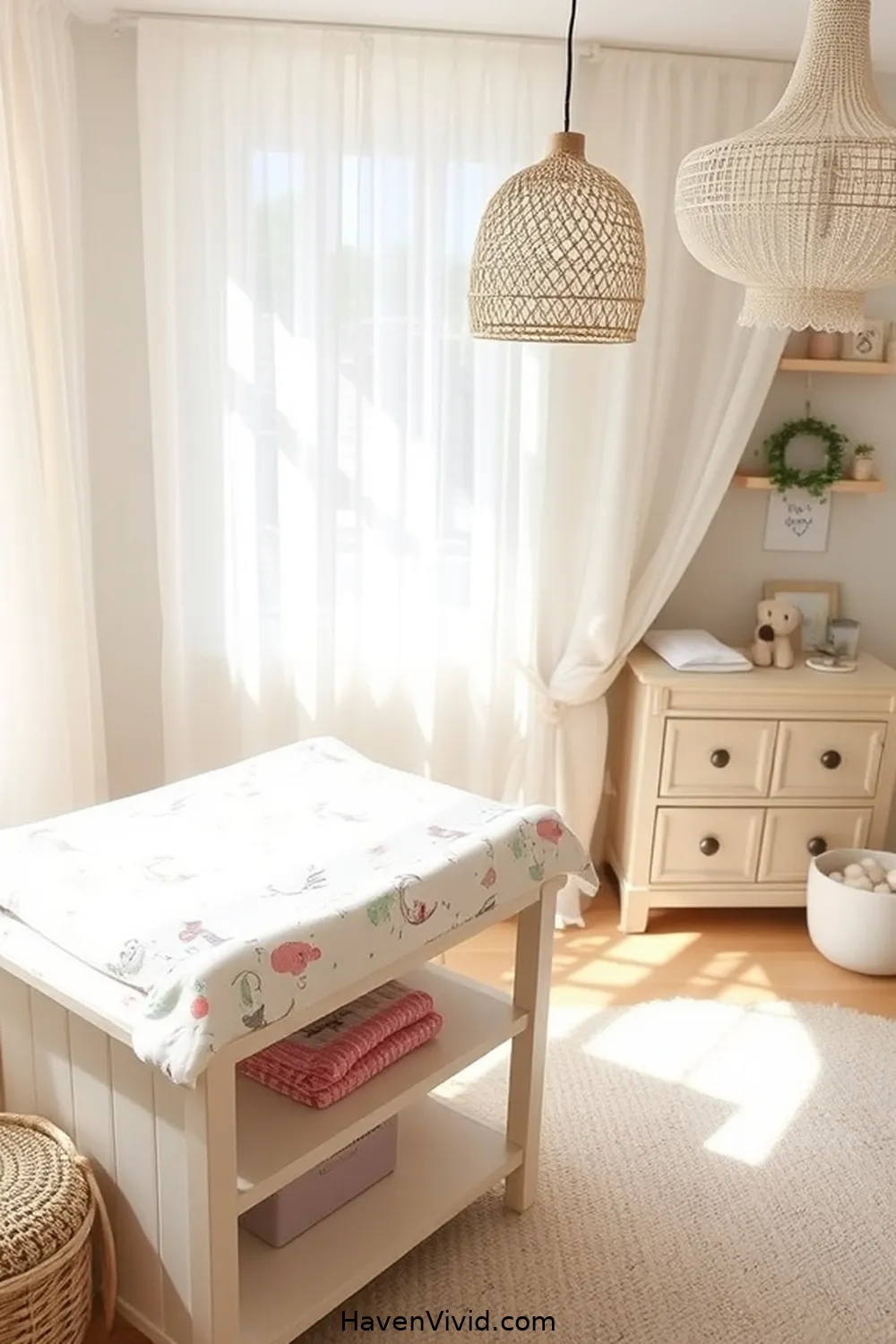
Eco-Friendly Changing Pad Covers for 12 Easy Ways for Eco-Friendly Living in Your Nursery Using Upcycled Fabric

Finding the right changing pad cover can make a significant difference in your nursery’s eco-friendliness.

When I chose mine, I focused on upcycled fabric options that are both practical and sustainable.

Here are three eco-friendly choices I considered:

  1. Cotton from Old Sheets: I love using soft, breathable cotton sheets to make custom covers that fit perfectly and add a personal touch.
  2. Repurposed T-shirts: Upcycling colorful, worn-out T-shirts creates unique designs while promoting sustainability.
  3. Low-Impact Dyes: If you’re sewing your covers, using low-impact dyes guarantees you’re keeping chemicals out of your baby’s environment.

With these ideas, I transformed my nursery into an eco-friendly haven while also being cost-effective and stylish.

Happy crafting!

Creative Fabric Curtains for Nursery
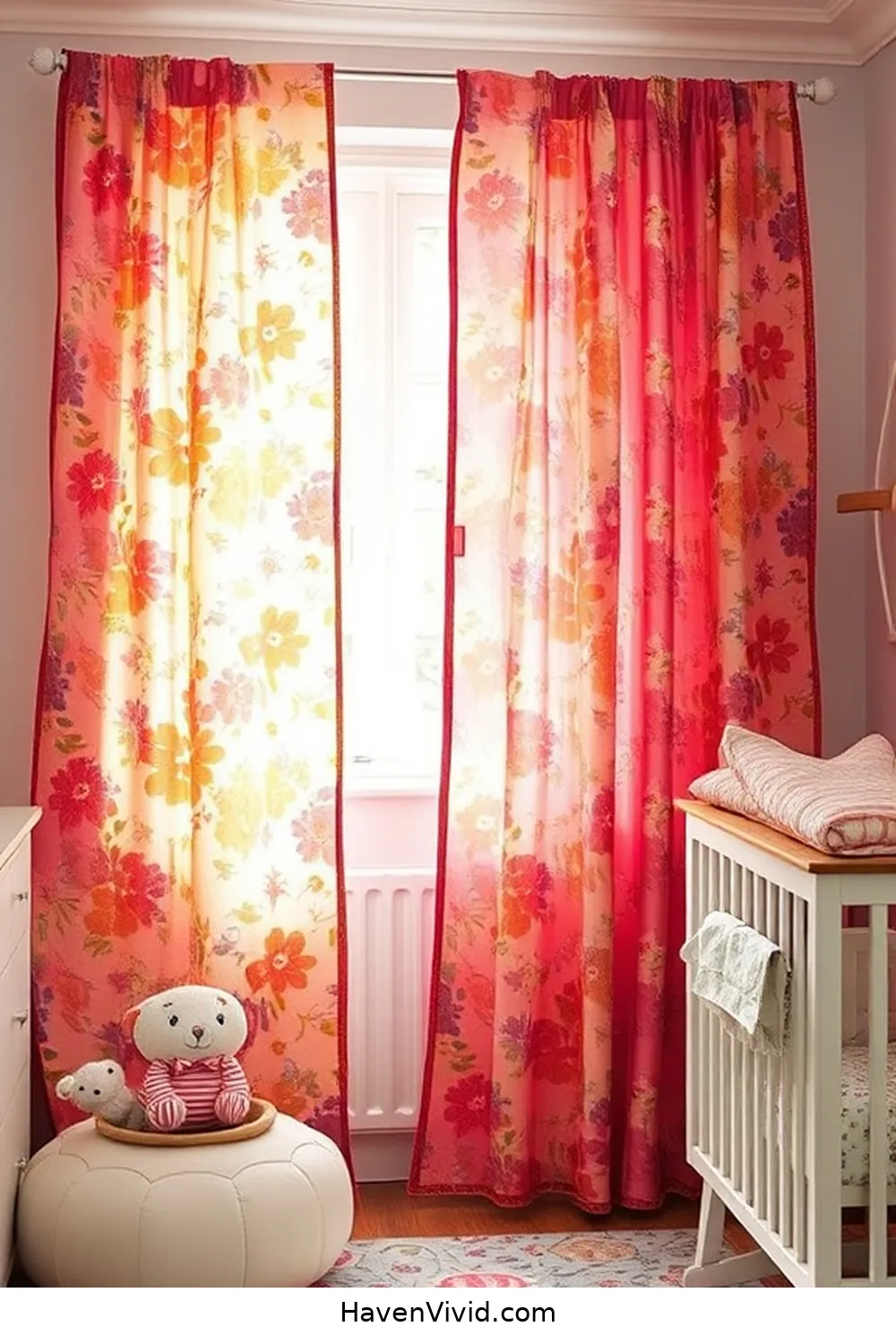
Creative Fabric Curtains for Nursery for 12 Easy Ways for Eco-Friendly Living in Your Nursery Using Upcycled Fabric

Curtains can transform the ambiance of your nursery while adding a touch of creativity and eco-friendliness. Using upcycled fabric for curtains not only brightens up the space but also reduces waste. I love mixing patterns and colors to create a playful environment for my little one. Here’s a simple guide to help you get started:

Fabric TypeDesign Idea
Old bedsheetsColorful curtain panels
Vintage tableclothsSoft, whimsical valances
T-ShirtsFun, themed tie curtains
Fabric scrapsPatchwork curtain styles
Quilted fabricsCozy and textured drapes

Get creative and express your style while contributing to a sustainable future. You’ll enjoy the process just as much as the finished product!

Quilted Nursery Blankets From Scrap Fabric
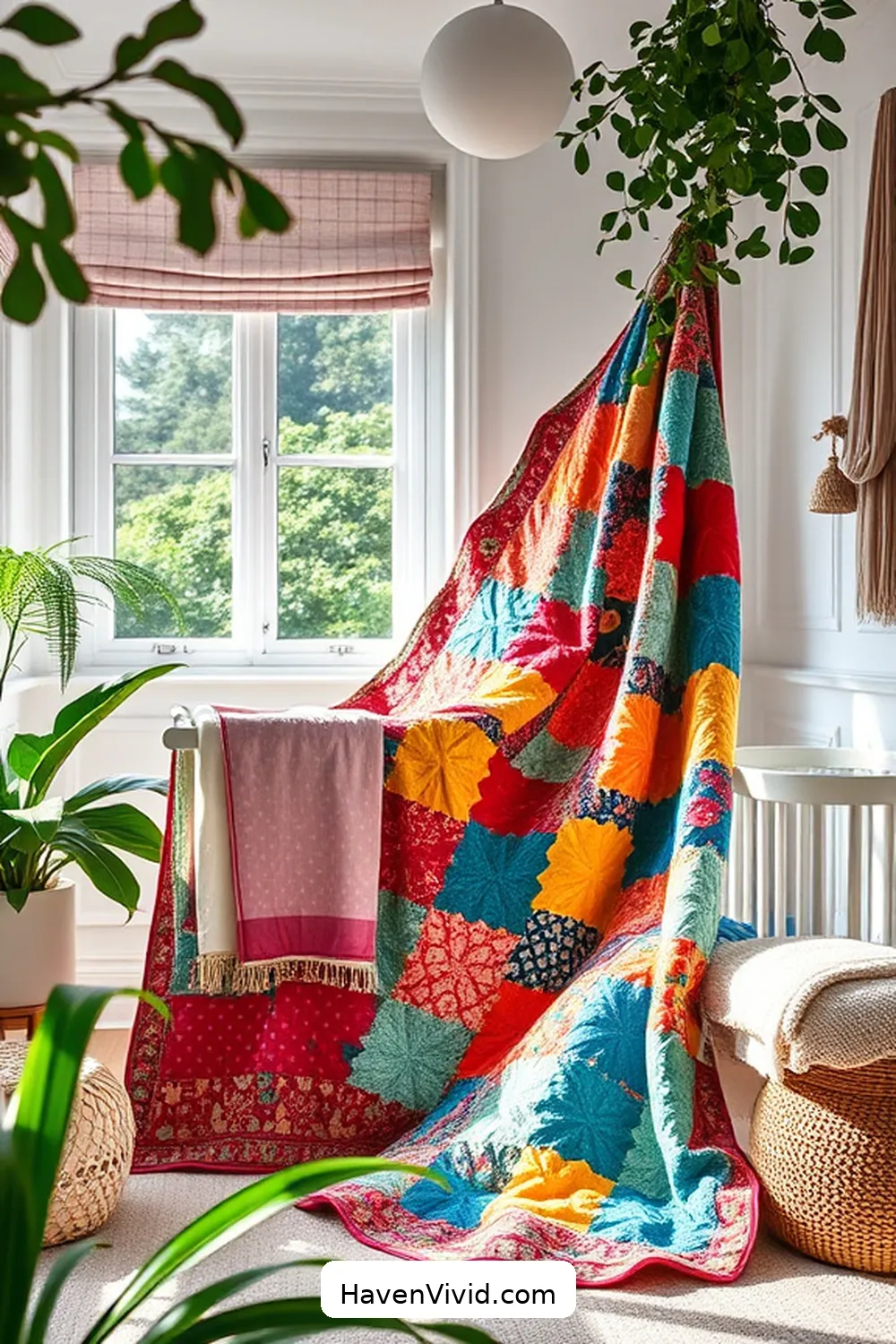
Quilted Nursery Blankets From Scrap Fabric for 12 Easy Ways for Eco-Friendly Living in Your Nursery Using Upcycled Fabric

While I was sorting through my fabric stash, I realized I could craft beautiful quilts for my nursery using scrap fabric. Not only is this a great way to reduce waste, but it also allows me to personalize my space.

Crafting beautiful quilts from scrap fabric not only reduces waste but also personalizes my nursery with charm and creativity.

Here are a few simple steps I follow to make charming quilted nursery blankets:

  1. Select Fabrics: I choose colorful scraps that complement the nursery’s theme, mixing textures and patterns for visual interest.
  2. Cut and Assemble: I cut my fabric into squares or strips, arranging them in a pleasing design before sewing.
  3. Quilt it Together: I layer the fabric with batting, pinning securely before quilting it for durability.

This approach not only creates unique blankets, but it also brings a touch of love to my nursery.

Task Overview for Eco-Friendly Nursery Decor

Gather upcycled fabric from old clothes or linens
Choose a color palette that feels calming and joyful
Design a fabric bunting to hang across the nursery
Create soft fabric wall art using embroidery hoops
Make a cozy fabric play mat for tummy time
Sew fabric storage bins to organize toys and supplies
Repurpose old fabric into cute cushion covers
Craft a whimsical mobile using fabric scraps and sticks
Create a fabric bookmark for nursery storybooks
Make a fabric growth chart to track your child’s height
Sew matching fabric curtains for a cohesive look
Finish off with a fabric photo frame for cherished memories

Fabric Play Mats for Safe Playtime

Fabric Play Mats for Safe Playtime for 12 Easy Ways for Eco-Friendly Living in Your Nursery Using Upcycled Fabric

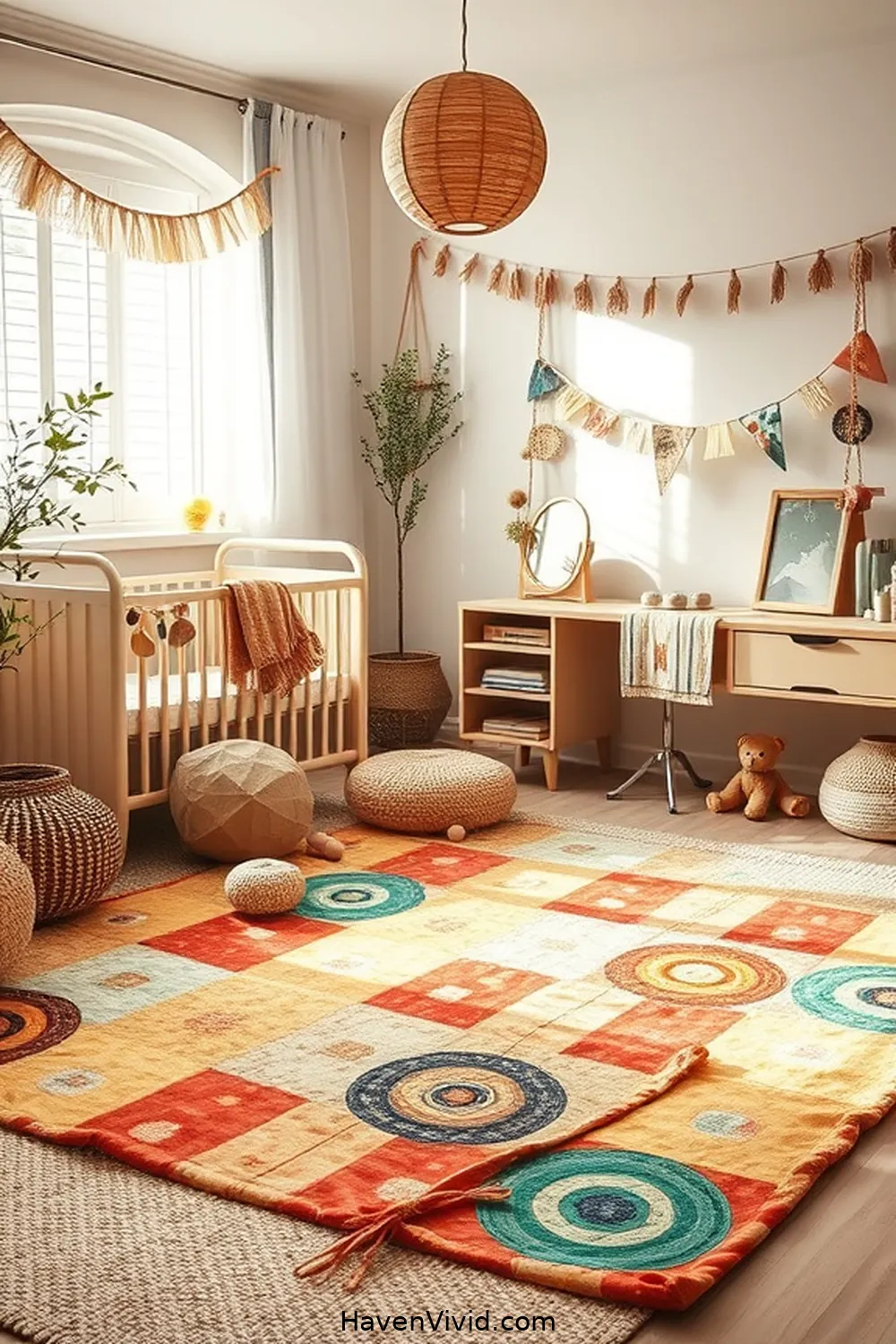
After creating quilted nursery blankets from scrap fabric, I wanted to continue the eco-friendly theme by making fabric play mats for safe playtime.

These mats not only provide a soft, cushioned space for my little one to explore but also use upcycled fabric, keeping waste out of landfills. I chose vibrant colors and patterns to spark joy during play and to stimulate my baby’s senses.

To make them, I simply layered the fabric, added some padding, and sewed the edges securelyβ€”no complicated patterns necessary.

The result is a practical, stylish addition to our nursery that reflects my commitment to sustainability. Plus, they’re machine washable, making them as easy to maintain as they’re delightful for my child’s playtime adventures!

πŸ’‘ PRO TIP

Create colorful wall art by framing pieces of upcycled fabric.

πŸ’‘ PRO TIP

Make soft toys or stuffed animals using old fabric scraps.

πŸ’‘ PRO TIP

Sew a patchwork quilt from various upcycled fabrics for a cozy nursery blanket.

πŸ’‘ PRO TIP

Use fabric remnants to make decorative pillows for the nursery.

πŸ’‘ PRO TIP

Craft fabric storage bins or organizers from old clothes or linens.

Personalized Fabric Baskets for Organization

Personalized Fabric Baskets for Organization for 12 Easy Ways for Eco-Friendly Living in Your Nursery Using Upcycled Fabric

Creating personalized fabric baskets has been a game-changer in organizing our nursery.

These baskets not only keep everything tidy, but they also add a personal touch to the space.

Here are three ways I’ve made them work for us:

  1. Labeling: I use fabric paint or embroidery to customize each basket, making it easy for both me and my little one to find what we need.
  2. Upcycling: I repurpose old clothing or scraps, turning them into vibrant baskets that match our nursery decor, helping reduce waste.
  3. Versatility: I love that these baskets can hold toys, clothes, or even books, keeping everything in its place while remaining stylish.

Your Go-To Guide for Eco-Friendly Nursery Living with Upcycled Fabric

? What are some simple ways to use upcycled fabric in my nursery?
There are so many fun options! You can sew curtains, make cushion covers, or even create a patchwork quilt using old clothes or leftover fabric scraps. It’s a great way to add a personal touch while being eco-friendly!
Was this helpful?
? Why is upcycling fabric a good choice for my baby’s nursery?
Upcycling fabric is wonderful because it reduces waste and gives new life to materials that might otherwise end up in a landfill. Plus, it allows you to create unique items that reflect your style and values, all while keeping your baby’s environment safe and sustainable.
Was this helpful?
? Can I use any type of fabric for my nursery projects?
Absolutely! Natural fabrics like cotton, linen, and wool are great choices since they’re breathable and safe for babies. Just make sure to wash any used fabric to remove potential allergens or residues before using it in your nursery.
Was this helpful?
? How can I ensure safety when using upcycled fabrics?
Always check the fabric for any signs of wear and tear, and avoid materials with strong odors or chemical treatments. Washing the fabric thoroughly before use is also important to ensure it’s clean and safe for your little one.
Was this helpful?
? What are some creative DIY projects I can do with upcycled fabric?
You can make bibs, soft toys, wall art, or even storage bins! I love turning old t-shirts into adorable stuffed animals or using fabric scraps to create a cozy play mat. The possibilities are endless!
Was this helpful?
? Where can I find good quality upcycled fabrics?
You can find upcycled fabric at thrift stores, garage sales, or even from family and friends who might have old clothes they’re willing to part with. Online marketplaces and fabric swaps are also great options!
Was this helpful?
? How can I involve my kids in the upcycling process?
Involving your kids can be so much fun! Let them help choose fabrics or assist in simple sewing projects. For younger ones, they can even help with organizing fabric scraps. It’s a great way to teach them about sustainability!
Was this helpful?
? Can I use upcycled fabric for baby bedding?
Yes, but be cautious! Make sure the fabric is soft, breathable, and free of any harmful chemicals. Items like crib sheets or light blankets can be made from upcycled fabric, but always prioritize safety and comfort.
Was this helpful?
? What should I do with fabric scraps left over from my projects?
Don’t throw them away! You can create smaller items like hair accessories, patches for clothing, or even gift tags. Alternatively, consider donating them to schools or local craft groups where they can be put to good use.
Was this helpful?
? How can upcycled fabric help me save money on nursery decor?
Using upcycled fabric is a fantastic way to cut costs! Instead of buying new items, you can repurpose what you have or find inexpensive materials. This not only saves money but also allows for creativity and uniqueness in your nursery decor.
Was this helpful?
Tags: eco-friendly nurserysustainable livingupcycled fabric
Pin75Share335Tweet209
Previous Post

13 Creative Ways for Eco-Friendly Living in Your Library Using Reclaimed Materials

Next Post

19 Ways to Create a Glamorous Library Lifestyle Using Solar-Powered Lights

Related Posts

Image for: 20 Ways to Embrace Eco-Friendly Living in Your Home Office Using Bamboo
Eco-Friendly Living

20 Ways to Embrace Eco-Friendly Living in Your Home Office Using Bamboo

by havenvivid
April 13, 2025
Image for: Transform Your Hallway Using Solar-Powered Lights for Eco-Friendly Living
Eco-Friendly Living

Transform Your Hallway Using Solar-Powered Lights for Eco-Friendly Living

by havenvivid
April 13, 2025
Image for: Embrace Eco-Friendly Living in Your Dining Room Using Bamboo
Eco-Friendly Living

Embrace Eco-Friendly Living in Your Dining Room Using Bamboo

by havenvivid
April 13, 2025
Image for: 12 Creative Ways for Eco-Friendly Living in Your Entryway Using Reclaimed Materials
Eco-Friendly Living

12 Creative Ways for Eco-Friendly Living in Your Entryway Using Reclaimed Materials

by havenvivid
April 13, 2025
Image for: Step-by-Step Guide for Eco-Friendly Living in the Bedroom Using Organic Cotton
Eco-Friendly Living

Step-by-Step Guide for Eco-Friendly Living in the Bedroom Using Organic Cotton

by havenvivid
April 13, 2025
Next Post
Image for: 19 Ways to Create a Glamorous Library Lifestyle Using Solar-Powered Lights

19 Ways to Create a Glamorous Library Lifestyle Using Solar-Powered Lights

Image for: Embrace Farmhouse Living in Your Kitchen Using Cork: 10 Ways

Embrace Farmhouse Living in Your Kitchen Using Cork: 10 Ways

Image for: 12 Ways to Create a Glamorous Lifestyle in Your Living Room Using Cork Decor

12 Ways to Create a Glamorous Lifestyle in Your Living Room Using Cork Decor

No Result
View All Result

Categories

  • Artistic Spaces
  • Coastal Living
  • Eco-Friendly Living
  • Family-Friendly Living
  • Farmhouse Living
  • Glamorous Lifestyle
  • Minimalist Lifestyle
  • Urban Living
Pinterest Facebook

Link

  • About Us
  • Contact Us
  • Privacy Policy
  • Terms

Category

  • Artistic Spaces
  • Coastal Living
  • Eco-Friendly Living
  • Family-Friendly Living
  • Farmhouse Living
  • Glamorous Lifestyle
  • Minimalist Lifestyle
  • Urban Living

Recent News

Image for: 18 Chic Ways of Using Cork for a Glamorous Nursery Lifestyle

18 Chic Ways of Using Cork for a Glamorous Nursery Lifestyle

April 13, 2025
Image for: 13 Ways to Embrace a Minimalist Lifestyle in Your Home Office Using Bamboo

13 Ways to Embrace a Minimalist Lifestyle in Your Home Office Using Bamboo

April 13, 2025

Β© 2026 havenvivid.com. All rights reserved.

No Result
View All Result
  • Home
  • Artistic Spaces
  • Coastal Living
  • Eco-Friendly Living
  • Family-Friendly Living
  • Farmhouse Living
  • Glamorous Lifestyle
  • Minimalist Lifestyle
  • Urban Living

Β© 2026 havenvivid.com. All rights reserved.

Welcome Back!

Login to your account below

Forgotten Password?

Retrieve your password

Please enter your username or email address to reset your password.

Log In
This website uses cookies. By continuing to use this website you are giving consent to cookies being used. Visit our Privacy and Cookie Policy.